Hire Software Product Developers in India

Turn a product idea, roadmap or existing application into software that can continue evolving after launch.

Pavans Group provides software product development expertise from Vadodara, Gujarat, India for startups, growing businesses and enterprises building SaaS platforms, marketplaces, web applications, mobile products and other digital platforms.

Product development goes beyond implementing a list of features. It connects user needs, business goals, product design and software engineering so each release contributes to a product that remains usable, maintainable and ready for its next stage.

Whether you are validating an idea, building an MVP, extending a live product or modernizing an established platform, our focus is on helping you make practical product decisions and turn them into reliable software.

Tell us what you're building.

By submitting you agree to our Privacy Policy.

What does a software product developer do?

A software product developer helps turn a product requirement into working software and continues improving that software as users, business priorities and technical requirements change.

The responsibility can extend across:

Product requirementsTechnical planningUI/UX implementationFrontend developmentBackend developmentAPIs and integrationsDatabasesMobile applicationsTestingDeploymentPerformanceProduct enhancementsTechnical modernization

The important difference is context.

A developer working on a product should understand not only what needs to be coded, but also how the feature fits into the wider user journey, existing architecture and future roadmap.

A useful product-development cycle looks like:

Problem → requirement → product decision → design → engineering → testing → release → user feedback → improvement

Development does not stop simply because version one has launched.

Product development is not just feature development

A backlog can contain hundreds of requested features.

That does not mean every feature should be built.

Strong product development asks:

What user problem are we solving?
Who needs this functionality?
What already exists?
What is the smallest useful solution?
Which technical dependencies are involved?
How will this affect existing users?
What happens when the requirement changes?
How will we know whether the feature helped?

The goal is not to maximize the number of features delivered.

The goal is to build the right capabilities with enough technical quality to continue improving the product.

When should you hire software product developers?

Product-development expertise becomes particularly valuable when the software itself is an important part of your business, service or customer experience.

You have a product idea but need to turn it into working software

Early-stage ideas often begin with broad requirements:

“We want to build a marketplace.”“We need a SaaS platform.”“We want an application that automates this process.”

Before development begins, those ideas need to become specific decisions around:

UsersCore workflowsFeaturesPlatformsDataIntegrationsTechnical architectureFirst-release priorities

Product developers help translate an idea into something that can actually be designed, developed and tested.

You need to build an MVP

An MVP should test the most important assumptions behind the product without trying to reproduce the complete long-term roadmap in the first release.

Product development for an MVP should focus on:

Core user → core problem → core workflow → essential functionality → measurable learning

The first version still needs a maintainable foundation, but it does not need every feature the business may eventually want.

Building too much before users validate the product can consume time and budget without reducing product uncertainty.

Your product is gaining users and becoming more complex

The architecture that supported the first release may need to evolve as the product gains:

More usersMore dataMore integrationsAdditional rolesNew workflowsMobile applicationsAdministration toolsReportingAutomationNew markets

At this stage, product development becomes a balance between delivering new functionality and keeping the underlying software manageable.

Your backlog is growing faster than your internal team can deliver

A growing product may already have:

Product managementInternal developersDesignExisting architectureA defined roadmap

but still lack enough engineering capacity to execute planned work.

Additional product-development expertise can support specific features, modules or product areas while working within the existing application and engineering process.

You need to improve an existing digital product

A product does not need to be new to need product developers.

Existing software may require:

New modulesBetter user journeysImproved performanceMobile applicationsAPI integrationsProduct redesignTechnical debt reductionArchitecture improvementsCloud changesAI capabilitiesModernization of older components

The starting point should be understanding what already works before deciding what should change.

When should you not start with more product developers?

Adding developers is not always the answer.

The product problem is still undefined

If the team cannot agree on:

Who the product servesWhat problem it solvesWhat the first release needsWhich workflow matters most

adding more developers may simply increase the speed at which unclear requirements become software.

Clarify the product problem first.

The primary problem is product design

If users are struggling because workflows, navigation or interactions are unclear, the immediate requirement may be deeper product and UI/UX work rather than additional engineering.

Pavans Group's UI/UX design services can support user flows, wireframes, prototypes and interface design before or alongside development.

The requirement is limited to one technical layer

If the challenge is specifically:

frontend architecturebackend systemsAPIsinfrastructureor mobile development

a specialist developer may be more appropriate than a broader product-development role.

Choose the responsibility before choosing the role.

Product developers for every stage of the software lifecycle

Different product stages create different engineering priorities.

01/05

Idea and discovery stage

At the idea stage, the biggest risk is often building before the requirement is understood.

Important questions include:

Who will use the product?Which problem is important enough to solve?What does the user do today?What is the main workflow?What can be postponed?Which integrations are essential?Which technical assumptions need validation?

Development decisions should follow those answers.

02/05

MVP development

During MVP development, product developers should prioritize functionality that allows users to experience the core value of the product.

A useful MVP is not:

every planned feature built badly.

It is:

the smallest coherent product that allows the most important assumption to be tested.

That may include:

AuthenticationCore workflowEssential user rolesBasic administrationRequired integrationsPayments where relevantMinimum reportingDeployment and monitoring

Additional functionality can follow once the initial product provides useful evidence.

03/05

Post-launch product development

Once real users begin interacting with the product, priorities should increasingly come from evidence.

Teams can learn from:

Product analyticsSupport requestsUser feedbackConversion behaviorAbandoned workflowsOperational problemsPerformance dataRepeated feature requests

The roadmap should evolve from what users actually do, not only what the original specification predicted.

04/05

Product growth and scaling

As adoption increases, engineering priorities may expand to include:

PerformanceArchitectureDatabase efficiencyCachingInfrastructureRelease processesSecurityPermissionsAutomationObservabilityIntegration reliability

Scaling should respond to actual product requirements rather than adding complexity in anticipation of hypothetical traffic.

05/05

Mature product development

Established software may need developers who can work carefully inside a large existing system.

The challenge may shift from building quickly to changing the product without destabilizing what customers already depend on.

This can require:

Incremental modernizationRefactoringAPI evolutionPerformance improvementsFramework upgradesDatabase changesNew integrationsProduct redesignFeature expansion

Understanding existing behavior becomes as important as writing new code.

Software product development requires more than coding

Successful product engineering depends on several disciplines working toward the same product outcome.

01

Product requirements

Development should begin with an understandable requirement.

A useful requirement describes:

UserProblemDesired outcomeWorkflowBusiness rulesDependenciesImportant exceptions

A list of screens alone is rarely enough.

02

UI/UX design

Product design determines how users move through the software and understand what to do next.

This may include:

User journeysInformation architectureWireframesPrototypesUI designResponsive behaviorInteraction statesDesign systems

Design and engineering should stay connected as real data and technical constraints are introduced.

03

Frontend engineering

Frontend developers turn product workflows into interactive application interfaces.

Their work can involve:

ComponentsApplication stateFormsAPI integrationResponsive behaviorAccessibilityPerformance
04

Backend engineering

Backend development supports:

Business logicAPIsDatabasesAuthenticationPermissionsIntegrationsBackground processingProduct workflows

The backend should represent product rules clearly enough that future features do not require repeatedly rebuilding the same logic.

05

Quality assurance

Testing should validate important user journeys rather than only checking isolated screens.

Product QA can include:

Functional testingAPI testingIntegration testingRegression testingBrowser and device testingPerformance testingSecurity testing

The depth of testing should reflect the risk associated with the feature.

06

Deployment and product operations

A product also needs a reliable path into production.

Depending on the software, that can involve:

EnvironmentsDeployment processesInfrastructureMonitoringBackupsPerformanceRelease coordination

Product development continues after code leaves the developer’s machine.

What can software product developers build?

Product developers can contribute to a range of digital products depending on the business model and users.

SaaS products

Build subscription-based software involving:

User accountsOrganizationsDashboardsPermissionsWorkflowsIntegrationsAdministrationReportingProduct settingsSubscription-related functionality

SaaS products need an architecture that can continue changing as customers, plans and product capabilities evolve.

Marketplaces and multi-sided platforms

A marketplace may need to coordinate several participant groups through one product.

Examples include:

Customer arrow-icon providerBuyer arrow-icon sellerPatient arrow-icon laboratory arrow-icon service professional
User journeysPermissionsTransactionsStatusesNotificationsAdministration requirements

Business platforms and customer portals

Product developers can build software through which customers, vendors or partners can:

Create accountsSubmit informationUpload documentsMake paymentsTrack statusManage servicesAccess reportsComplete business workflows

Mobile products

A software product may include native or cross-platform mobile applications alongside web and backend systems.

Pavans Group provides mobile app development for iOS and Android products where mobile experiences form part of the wider software ecosystem.

AI-enabled software products

AI can become part of a digital product when there is a meaningful use case for:

Intelligent automationRecommendationsSearchAssistantsDocument processingClassificationPredictionData-driven workflows

AI should support a genuine product requirement rather than being added simply because the technology is available.

Explore Pavans Group's AI development services for products where AI adds measurable functional value.

Working with an existing product team

Pavans Group can contribute to software where product, design or development responsibilities already exist internally.
Successful collaboration begins with clarity around responsibilities.

Understand the existing product first

Before changing an established product, developers should understand:

ArchitectureRepositoriesExisting workflowsCoding conventionsAPIsDatabase structureDeploymentKnown technical debtProduct priorities

Immediate rewriting is rarely the right first step.

Fit into the existing engineering workflow

External contributors should work within appropriate processes for:

Source controlTasksCode reviewQADocumentationReleasesCommunication

The goal should be one product and one maintainable engineering workflow.

Keep product ownership clear

Define who decides:

Product prioritiesUser experienceArchitectureScopeAcceptance criteriaReleases

Clear ownership reduces delays caused by conflicting assumptions.

Real digital products developed by Pavans Group

Product-development capability is best demonstrated through software that combines product thinking, user experience and engineering across several technical layers.

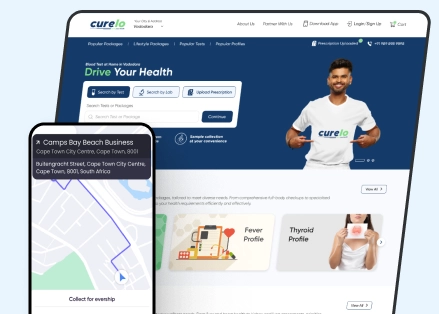
Curelo product screenshot

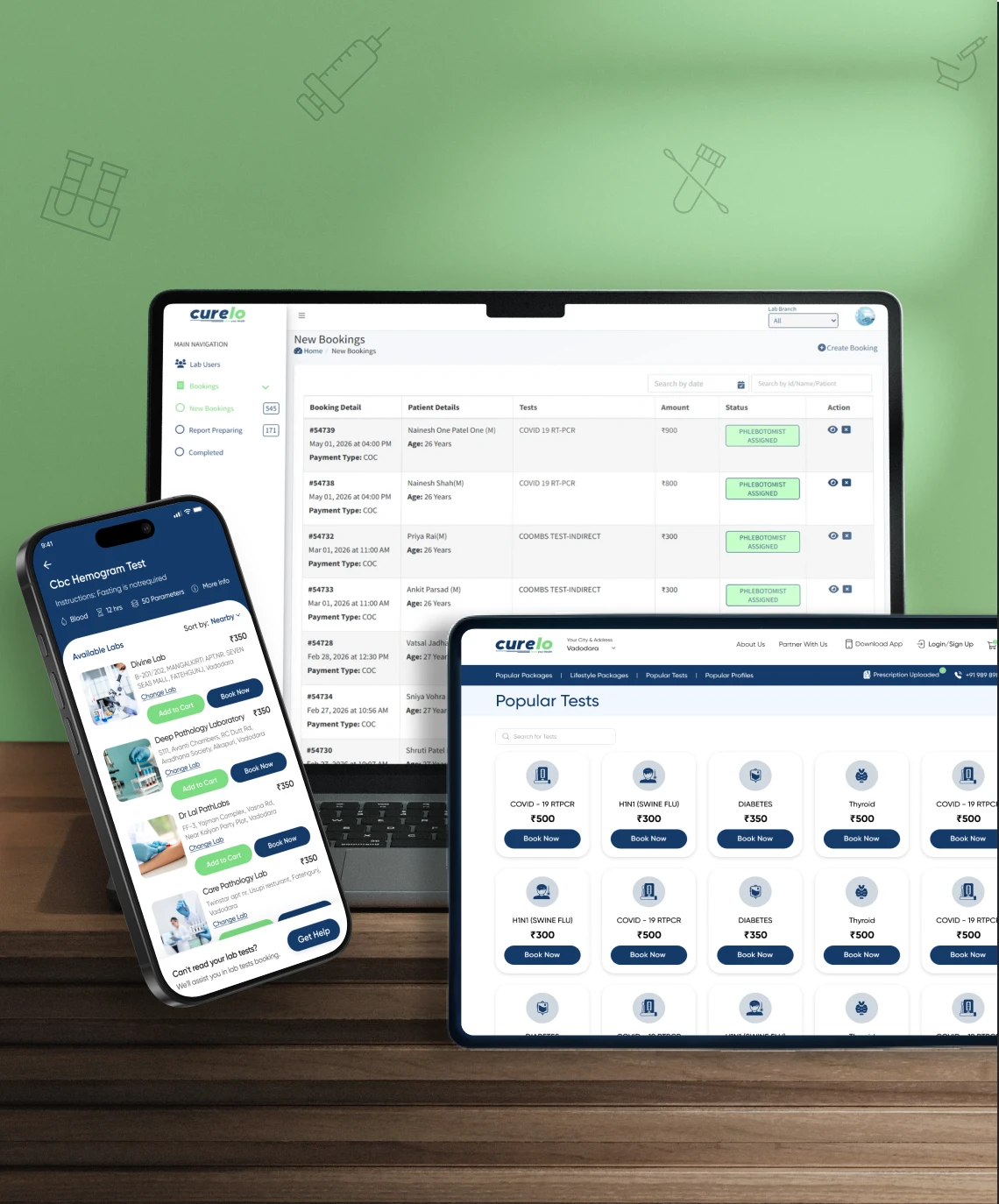
Curelo — healthcare platform connecting patients, labs and phlebotomists

Curelo is a digital healthcare ecosystem connecting patients with diagnostic laboratories and phlebotomists.

The product brings together:

  • Diagnostic-test discovery
  • Laboratory selection
  • Booking workflows
  • Payments
  • Phlebotomist operations
  • Status management
  • Reports
  • Role-based functionality
  • Web and mobile experiences

Curelo demonstrates how a digital product can coordinate several participant types through one connected platform rather than treating each application as an independent project.

Explore the Curelo case study

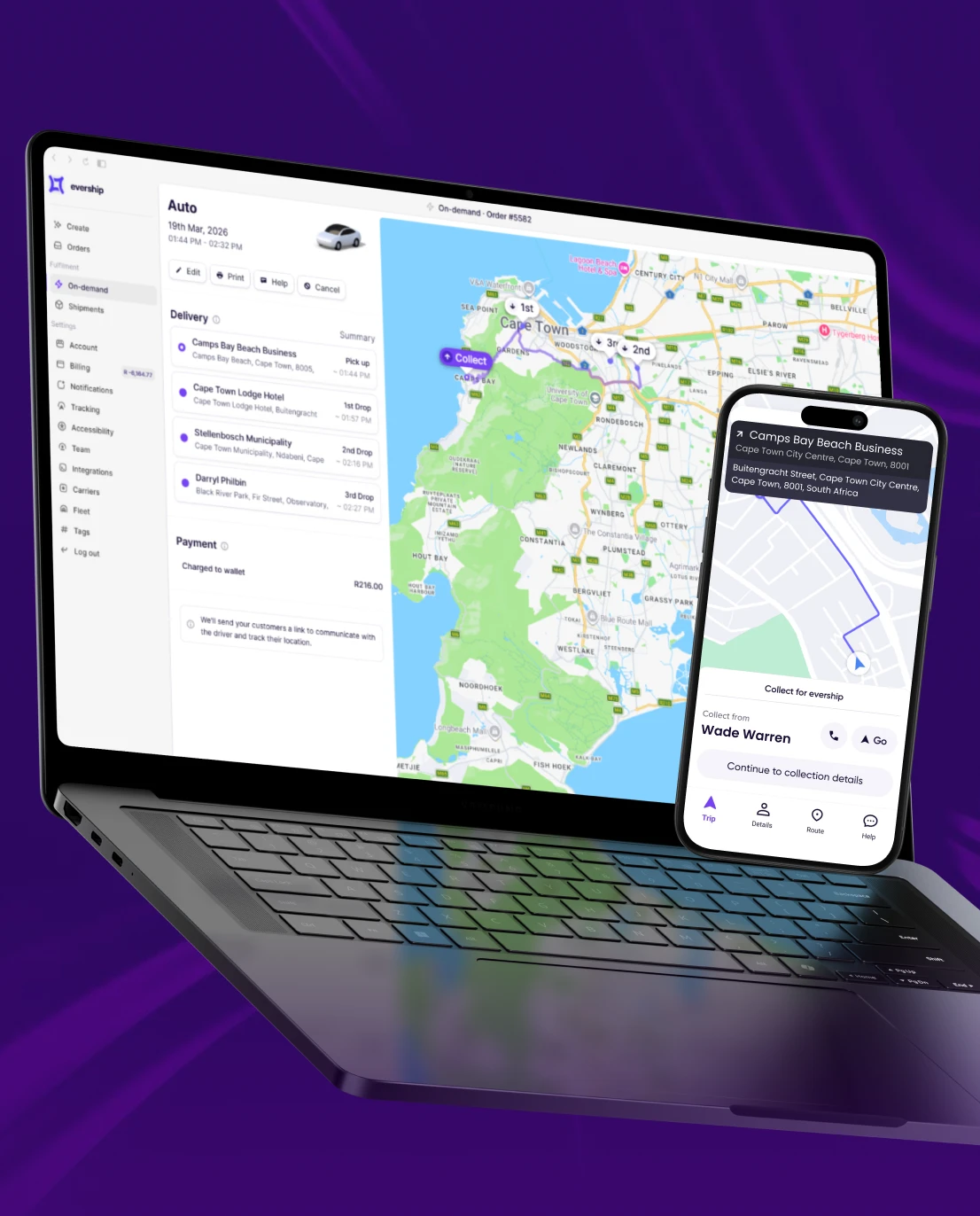
Evership product screenshot

Evership — shipping and fulfilment software

Evership is a shipping and fulfilment product connecting merchants, carriers, drivers and customer-facing delivery workflows.

Its product ecosystem includes capabilities around:

  • Order synchronization
  • Shipping
  • Carrier integrations
  • Driver management
  • Tracking
  • Webhooks
  • Workflow automation
  • Delivery operations

The product demonstrates how frontend experiences, APIs, integrations and operational workflows need to evolve together inside an integration-heavy platform.

Explore the Evership case study

RegisterInc product screenshot

RegisterInc — digital business registration platform

RegisterInc supports Canadian business-registration workflows through a digital customer experience and administration platform.

Its product journey includes:

Evership workflow: orders, carriers, rates, shipment status, drivers, tracking events

The platform demonstrates the product-development challenge of turning a complex offline process into a structured digital journey that remains understandable for customers and manageable for administrators.

Explore the RegisterInc case study

Building a digital product with similar complexity?

Tell us what the product does, who uses it and what stage it is currently at.

Build, measure and improve instead of treating launch as the finish line

A software product begins producing its most useful information when real users start using it.
After launch, teams should evaluate what actually happens.

Watch how users move through the product

Useful product signals can include:

Feature adoptionWorkflow completionConversionDrop-offRetentionSupport requestsError ratesPerformanceRepeated user problems

Not every product needs every metric.

Measure the behavior connected to the decision you are trying to make.

Improve the highest-value friction first

A visible feature request is not automatically the highest priority.

A small improvement to an important workflow may create more value than adding another large feature.

Ask:

How many users experience the problem?How important is that workflow?What happens if we do nothing?How much development is required?

This keeps the roadmap connected to product value.

Product architecture should support change

Software products rarely remain exactly as originally specified.

Customers ask for new functionality.Business models change.Integrations are added.Workflows evolve.New markets introduce different requirements.

That means maintainability should be treated as a product concern.

Avoid architecture built for imaginary scale

An early-stage product does not automatically need the architecture of a global platform.

Unnecessary complexity can slow:

DevelopmentTestingDebuggingOnboardingReleases

Architecture should address realistic requirements while leaving sensible paths for future change.

Avoid architecture that assumes nothing will change

The opposite problem is equally risky.

Hard-coded workflows, duplicated business logic and tightly coupled components may allow a first release to ship quickly but make every later change expensive.

The goal is not maximum abstraction.

It is appropriate flexibility around the parts of the product most likely to evolve.

Product development should connect the roadmap with engineering reality

Product roadmaps describe where the business wants to go.Engineering identifies what is required to get there safely.Those perspectives need to meet before commitments are made.

A product roadmap is not the same as a development backlog

The roadmap might say:

Launch partner integrations.

The engineering work may include:

API contractsAuthenticationPermissionsData mappingWebhooksError handlingLoggingPartner configurationTestingDocumentation

Understanding the technical work behind a product objective creates more realistic planning.

Technical debt belongs in product planning

Technical debt becomes a product problem when it causes:

Slower releasesMore regressionsPerformance problemsDifficult integrationsSecurity concernsIncreasing maintenance effort

It does not need to eliminate feature development.

But ignoring it indefinitely can make every future roadmap more expensive.

Product developers vs other software-development roles

“Product developer” describes a development mindset and responsibility around the lifecycle of a digital product. It does not replace every specialist engineering role.

Primary focus Role
Building and evolving a digital product around users, roadmap and lifecycleSoftware product developer
Software designed around specific business workflowsCustom software developer
Development across frontend and backendFull-stack developer
User-facing application layerFrontend developer
APIs, databases and server-side logicBackend developer
System communication and integrationsAPI developer
Software-as-a-service product requirementsSaaS developer
Product flows, usability and interface designProduct designer

Product developer vs software developer

Software developer is the broader engineering role.

Product developers work in a context where the software itself is an evolving product with users, releases and a roadmap.

The distinction is primarily about product responsibility, not a completely different programming discipline.

Product developer vs full-stack developer

Full-stack describes technical coverage across frontend and backend.

Product development describes the broader product context.

A full-stack developer can be part of a product-development team, but a complex product may also need specialist frontend, backend, mobile, QA, UI/UX and cloud capabilities.

Product development vs custom software development

Custom software is commonly built around the unique workflows of a specific organization.

Software product development is typically more focused on software that will continue evolving as a product for its users or market.

The two can overlap.

A custom platform may become a long-term digital product, while a software product may contain highly customized workflows.

Product developer vs product designer

A product designer focuses primarily on the user experience, flows, interface and interaction model.

A product developer turns product requirements and designs into functional software.

Strong digital products usually require these disciplines to collaborate closely.

How Pavans Group approaches software product development

  1. 01

    Understand the product and users

    Start with:

    Product objectiveTarget usersCore problemExisting alternativesImportant workflowsBusiness modelCurrent product stage

    This establishes what the software needs to achieve.

  2. 02

    Define the first development priorities

    Break the product into:

    Essential functionalitySupporting functionalityFuture functionality

    Prioritization helps prevent the first release from becoming unnecessarily large.

  3. 03

    Plan product experience and technology together

    Product flows affect architecture.

    Architecture affects what is practical to design and deliver.

    UI/UX and engineering should therefore collaborate before important assumptions become expensive code.

  4. 04

    Develop in reviewable increments

    Break development into manageable product increments that can be demonstrated and evaluated.

    A working feature creates better feedback than a specification that has not yet been tested against actual software.

  5. 05

    Test complete product workflows

    Validate important journeys from beginning to end.

    For example:

    Register → create account → complete action → payment → confirmation → administration

    Testing isolated components cannot always reveal problems between them.

  6. 06

    Launch and learn

    After release, use real product behavior to inform:

    FixesImprovementsPerformance workNew functionalityRoadmap priorities
  7. 07

    Continue evolving the product

    Product development becomes continuous when customer needs, market conditions and technology continue changing.

    A maintainable product should support that evolution without requiring the system to be repeatedly rebuilt from scratch.

Technologies for software product development

Pavans Group works across frontend, backend, mobile, database, cloud and AI technologies used to build modern digital products.

  • Frontend

    Technologies include:

    React Vue.js Next.js JavaScript TypeScript
  • Backend

    Backend capabilities include technologies such as:

    Node.js Python Laravel PHP .NET API interface

    alongside REST and GraphQL APIs.

  • Mobile

    Mobile-product development can include:

    Flutter React Native iOS Android Swift Kotlin
  • Data and cloud

    Depending on product requirements, development can involve:

    PostgreSQL MySQL MongoDB SQLite Redis Elasticsearch AWS Google Cloud Firebase Docker Kubernetes

    Technology should follow the product requirement rather than forcing every product into the same stack.

What should you look for when hiring software product developers?

Do not evaluate developers only by the number of frameworks listed on a profile.

Product understanding

Can they explain the user problem behind the requirement?

Developers who understand why a feature exists are better positioned to identify incorrect assumptions and edge cases.

Relevant software experience

Look for products with similar complexity around:

UsersWorkflowsIntegrationsPlatformsDataScale

Industry relevance can help, but product complexity is often equally important.

Ability to work with existing software

For established products, ask how developers approach an unfamiliar codebase.

Good product development should begin with understanding before replacement.

Technical decision-making

Ask why a particular framework, architecture or service is appropriate.

The strongest answer is rarely:

“Because we always use it.”

Technology decisions should connect to product requirements.

Communication across disciplines

Product developers often need to work with:

FoundersProduct managersDesignersBackend developersFrontend developersQA engineersOperations teams

Clear communication reduces the cost of assumptions between those roles.

Maintainability

Ask how the team thinks about:

Code reviewTestingDocumentationComponentsAPIsTechnical debtReleases

You are not only hiring for the next feature.

You are adding code to a product that someone will need to change later.

Hire software product developers in India from Pavans Group

Pavans Group is based in Vadodara, Gujarat, India and has been developing software and digital products since 2011.

Our work combines product strategy, UI/UX design and engineering across web, mobile, backend, APIs, AI, cloud and other technologies required by modern digital products.

For businesses looking for product-development expertise in India, the evaluation should go beyond geography.

Consider whether the development partner can understand:

Your usersProduct stageRoadmapExisting technologyBusiness workflowsIntegrationsTechnical constraintsLong-term product direction

The objective is not simply to add development capacity.

It is to add development capability that can contribute meaningfully to the product.

Software product development across industries

Product expertise becomes more valuable when engineering decisions reflect the workflow of the industry rather than only the technology.

How Pavans Group approaches software product development

01

Understand the product and users

Start with:

Product objectiveTarget usersCore problemExisting alternativesImportant workflowsBusiness modelCurrent product stage

This establishes what the software needs to achieve.

02

Define the first development priorities

Break the product into:

Essential functionalitySupporting functionalityFuture functionality

Prioritization helps prevent the first release from becoming unnecessarily large.

03

Plan product experience and technology together

Product flows affect architecture.

Architecture affects what is practical to design and deliver.

UI/UX and engineering should therefore collaborate before important assumptions become expensive code.

04

Develop in reviewable increments

Break development into manageable product increments that can be demonstrated and evaluated.

A working feature creates better feedback than a specification that has not yet been tested against actual software.

05

Test complete product workflows

Validate important journeys from beginning to end.

For example:

Register → create account → complete action → payment → confirmation → administration

Testing isolated components cannot always reveal problems between them.

06

Launch and learn

After release, use real product behavior to inform:

FixesImprovementsPerformance workNew functionalityRoadmap priorities
07

Continue evolving the product

Product development becomes continuous when customer needs, market conditions and technology continue changing.

A maintainable product should support that evolution without requiring the system to be repeatedly rebuilt from scratch.

How much does it cost to hire software product developers in India?

Software product development does not have one meaningful universal price.

Cost depends on what stage the product is at and what responsibility is required.

Product stage

An MVP, established SaaS platform and enterprise modernization project involve different amounts of discovery and engineering.

Scope certainty

A clearly defined feature set is easier to estimate than exploratory product work where requirements are expected to evolve.

Required disciplines

A product requiring frontend, backend, mobile, UI/UX, QA and cloud expertise has a different delivery structure from one requiring only one development area.

Product complexity

Complexity can increase with:

User rolesWorkflowsPlatformsIntegrationsPaymentsReportingReal-time featuresData requirementsAI functionality

Existing architecture

Joining an established product may require time to understand:

Existing codeInfrastructureDataIntegrationsTechnical debt

before substantial changes can be estimated accurately.

Development duration

A one-time feature and an ongoing product roadmap create different commercial requirements.

A more useful starting point is:

Product stage → roadmap → required responsibilities → team structure → estimate

rather than selecting developers on hourly rate alone.

Why consider Pavans Group for software product development?

Product development beyond one technology

Modern products often span several technical disciplines.

Pavans Group works across:

Product strategyUI/UXWebMobileBackendAPIsAIIoTCloudQuality assurance

This allows the product requirement to determine which capabilities are needed.

Experience across complete product ecosystems

Products such as Curelo and Evership involve multiple users, applications, workflows and integrations rather than isolated websites or features.

That experience matters when product decisions affect several parts of the system at once.

Support across different product stages

Product-development requirements can change from:

idea → MVP → launch → growth → modernization

Pavans Group works on both new digital products and existing software that needs continued enhancement.

Design and engineering under one product workflow

Pavans Group provides both UI/UX design and software engineering capabilities, allowing product flows and technical implementation to be considered together.

Web and mobile product development

Products can extend across responsive web applications, administrative systems and mobile applications.

Explore our web development and mobile app development capabilities for products that span multiple platforms.

Frequently asked questions about hiring software product developers

A software product developer helps design, build and evolve digital products such as SaaS platforms, marketplaces, web applications and mobile products.

The role combines software engineering with an understanding of product requirements, users, workflows and the wider product lifecycle.

Software developer is the broader technical role.

A product developer works specifically in the context of an evolving software product, where development decisions need to consider users, roadmap, releases and future product changes.

The skills can overlap significantly.

Yes.

Product developers can help translate an idea into an MVP focused on the essential user journey and functionality required to validate the product.

The objective should be to build enough to learn without overbuilding the first release.

Yes.

Existing product work can include new features, integrations, performance improvements, architecture changes, redesign, modernization and technical debt reduction.

Developers should understand the current product before recommending major changes.

Yes. Product-development work can be coordinated with existing product managers, designers, developers and QA teams where responsibilities and engineering processes are clearly defined.

Yes.

Software product development can include SaaS applications involving accounts, organizations, dashboards, workflows, permissions, integrations, administration and other recurring product functionality.

Yes.

A digital product can include a web application, administration portal, iOS application, Android application and shared backend services depending on the requirement.

Pavans Group provides UI/UX design services covering product flows, wireframes, prototypes and interface design.

UI/UX and software development can work together when the product requires both.

Yes, where the available data and product requirement support a meaningful AI use case.

Potential applications can include automation, assistants, recommendations, search, document processing, classification or other intelligent workflows.

AI should be added because it improves the product—not simply because it is available.

The timeline depends on product stage, functionality, design requirements, platforms, integrations, architecture and the size of the first release.

An MVP focused on one primary workflow requires a different development effort from an established platform with multiple roles, applications and integrations.

Cost depends on product complexity, stage, required disciplines, existing architecture, integrations, timeline and development responsibility.

The most useful estimate starts with the product roadmap and required engineering scope rather than applying one generic developer rate.

Choose based on responsibility.

A full-stack developer is appropriate when the primary requirement involves development across frontend and backend.

Product-development capability becomes more important when the work also requires understanding an evolving roadmap, user workflows and long-term product decisions.

A full-stack developer can also work as part of a product-development team.

It depends on the breadth of the roadmap.

A focused product area may require only particular development skills, while a larger product may need several disciplines such as product design, frontend, backend, mobile, QA and cloud engineering working together.

Define the responsibilities before deciding the team structure.

Useful information includes:

Product idea or existing applicationTarget usersProblem being solvedCurrent roadmapRequired platformsExisting technologyDesign filesIntegrationsCurrent development teamKnown technical issuesImportant deadlinesFirst-release priorities

You do not need a complete technical specification simply to begin the discussion.

Build a product that can keep improving after launch

A successful software product is rarely the result of implementing one perfect specification.

Products evolve as users provide feedback, business priorities change and technical requirements become clearer.

The development foundation should make that evolution possible.

Start with the problemPrioritize the most important user journeysBuild enough to learnMeasure what happens after releaseThen improve the product based on evidence

Pavans Group can support software product development from early planning and MVP development through launch, ongoing enhancement and modernization.

Discuss your software product

Tell us what you are building, what stage the product is at and where you need development support.