


Hire Full-Stack Developers
in India

Build and extend software with developers who can work across the complete application-from interfaces and APIs to business logic, databases and integrations.

Pavans Group provides full-stack development expertise from Vadodara, Gujarat, India for SaaS platforms, custom software, portals, business applications and other digital products.

A full-stack developer can be particularly useful when the same feature regularly moves across several application layers and dividing every change between separate frontend and backend specialists would create unnecessary handoffs.

Tell us what you're building.

By submitting you agree to our Privacy Policy.

Icon

Real SaaS and software product experience

Icon

Frontend + backend expertise

Icon

India-based engineering capability

What is a Full-stack developer?

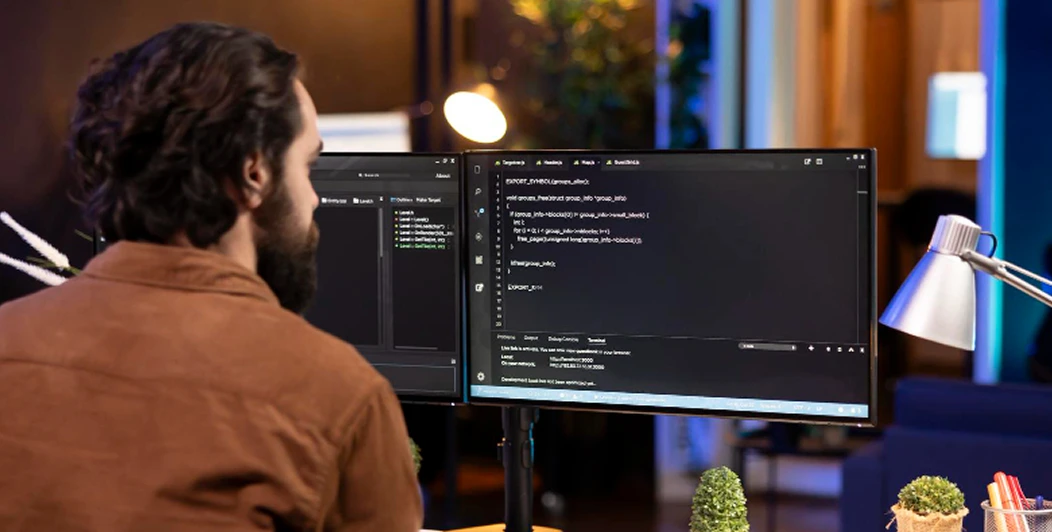
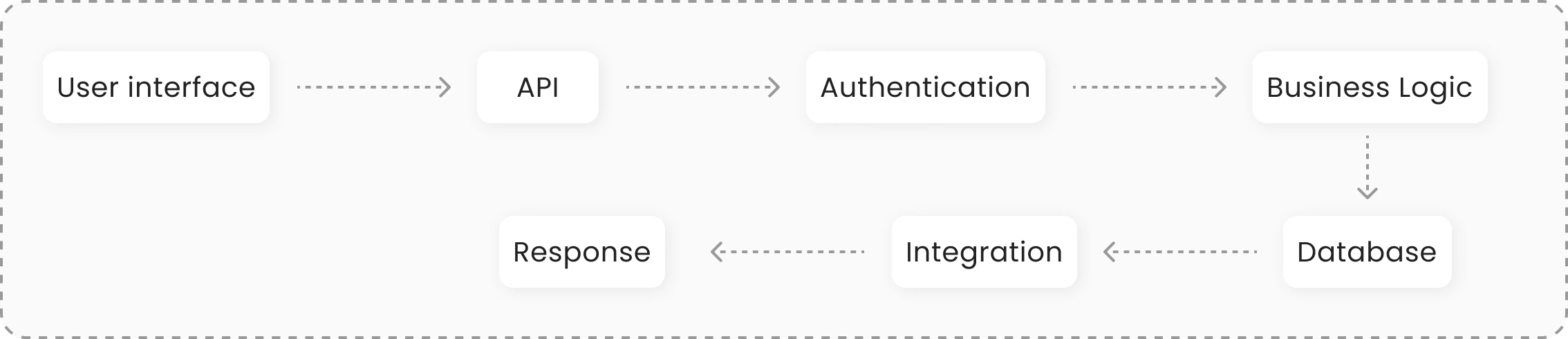
A full-stack developer works across both the frontend and backend of an application and understands how a feature moves through the complete software flow.

Depending on the product and developer's expertise, full-stack responsibilities can include frontend interfaces, server-side development, APIs, databases, integrations, authentication and support for deployment.

image

A full-stack developer does not automatically replace specialists such as software architects, DevOps engineers, QA engineers or deeply specialized frontend/backend engineers.

Full-stack development at a glance

icon

Frontend

Interfaces Dashboards Forms User interactions State
icon

Backend

Business logic Services Authentication Workflows
icon

APIs

REST/GraphQL Communication Integrations
icon

Database

Data modelling Services Application integration Queries
icon

Integrations

Payments CRM ERP Third-party systems

Need someone who can own features across the application?

Full-stack product experience at Pavans Group

Technology lists are useful, but production software provides stronger evidence of full-stack capability.

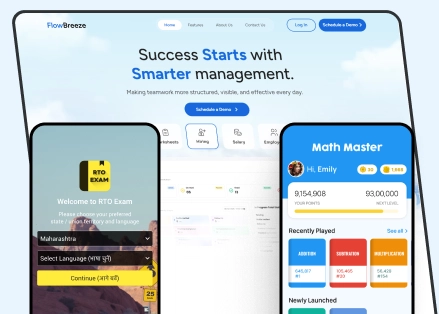
Pavans Group's portfolio includes products where frontend applications, backend services, APIs, databases, integrations and cloud systems have to operate as one product.

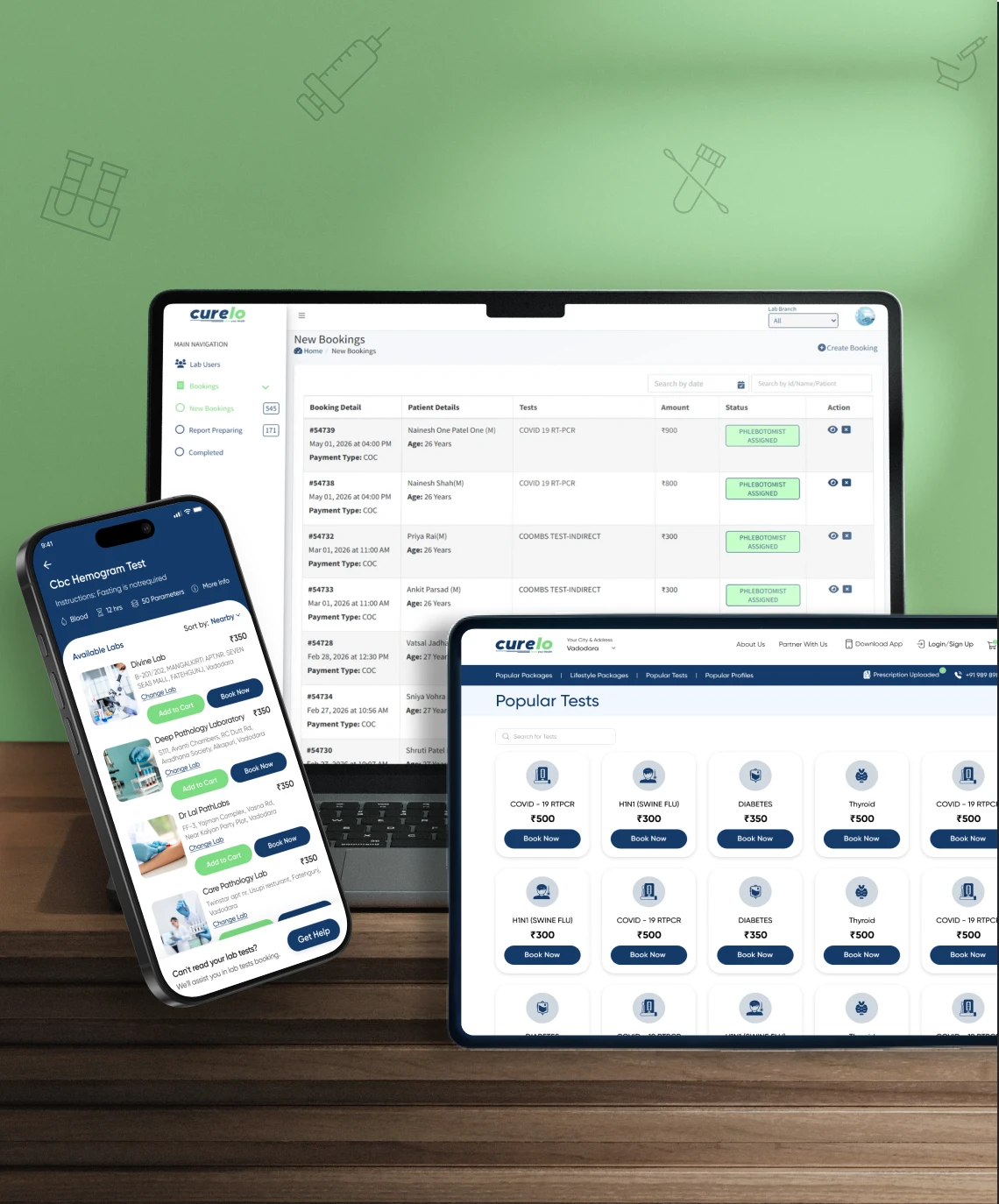
Curelo product screenshot

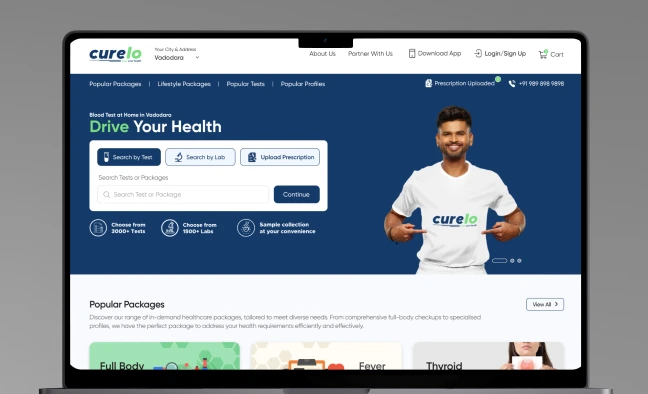
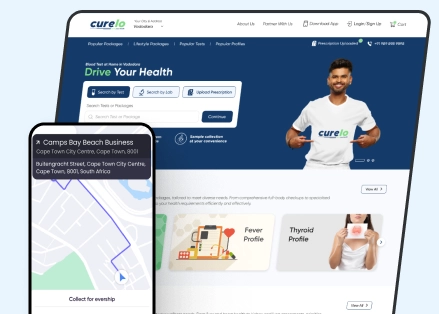
Curelo — healthcare ecosystem across web, mobile and backend.

Curelo needed more than an isolated website or mobile application. The product connects patients, diagnostic laboratories and phlebotomists through booking, payment, report and operational workflows.

Pavans Group's published case study specifically describes the implementation as a full-stack digital transformation strategy and includes responsive web development, mobile applications, role-based access, a real-time booking engine, payment integration and a scalable cloud backend.

Published project results

1.5K+Labs onboarded
5K+Diagnostic tests
350K+Orders processed
12+Cities

Why Curelo demonstrates full-stack capability

Curelo workflow diagram

That is exactly the type of feature flow where understanding several application layers becomes valuable.

Explore the Curelo case study.

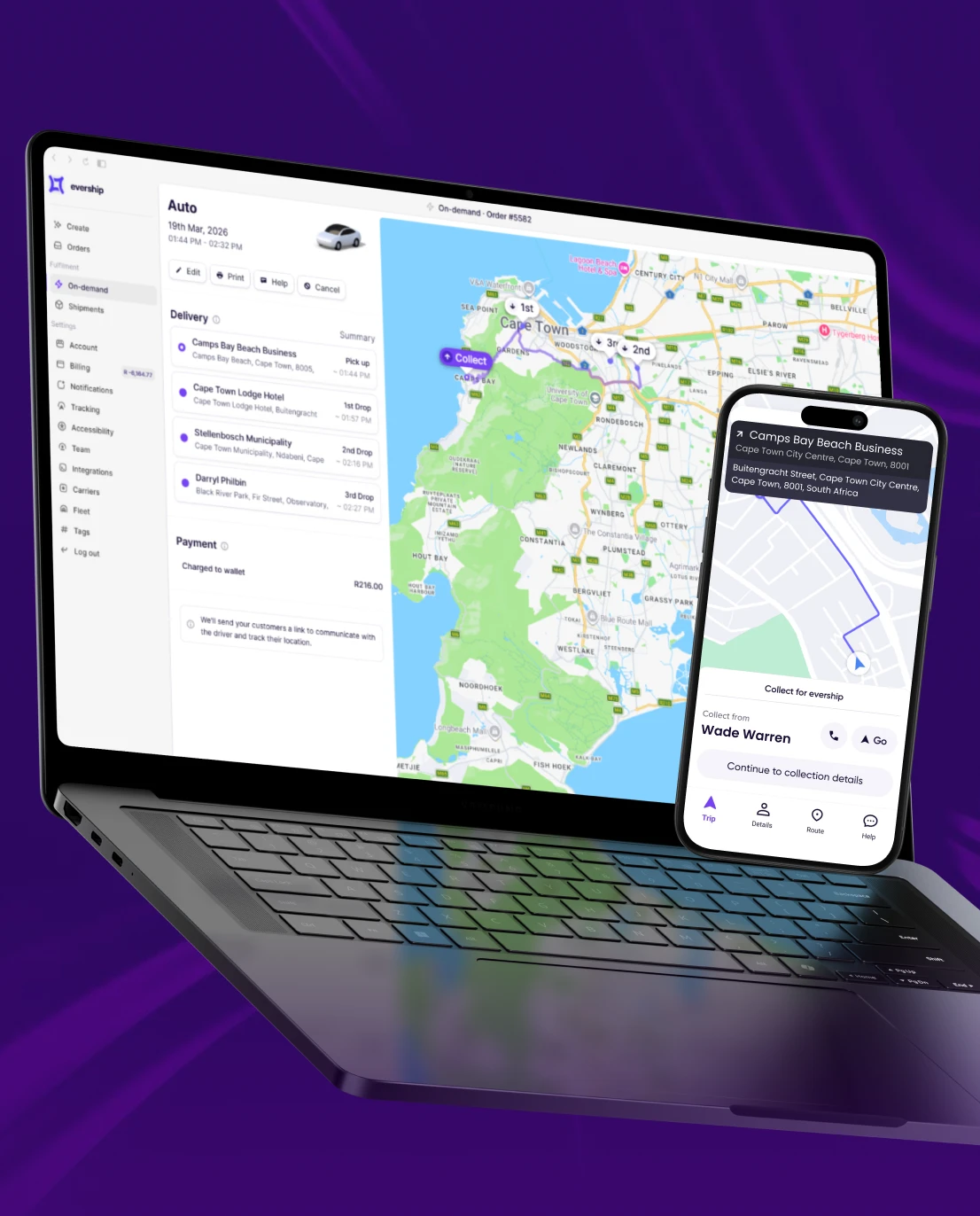
Curelo product screenshot

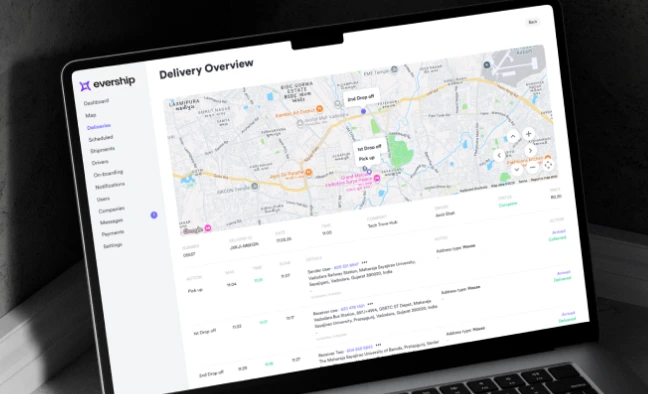
Evership — SaaS, APIs and logistics automation.

Evership is a shipping and fulfilment platform combining user-facing dashboards with carrier APIs, webhooks, shipping workflows, driver management, tracking and cloud infrastructure.

Pavans Group built the system around an API-first architecture with carrier integrations, real-time webhooks, shipment APIs and workflow automation.

Published project results

1.2K+Registered users
500+Registered companies
33K+Completed deliveries
170K+Orders drops

Why Evership demonstrates full-stack capability

Evership workflow diagram

Frontend and backend are not independent systems. They are parts of the same product workflow.

Explore the Evership case study.

Built something with similar complexity?

Tell us about your application, existing architecture and the features you need to add.

When should you hire a full-stack developer?

Full-stack development works best when the breadth of the role matches how your product work is structured.

When features cross frontend and backend

Some features naturally touch several layers.

An order-management workflow may require:

Order interface - Validation - Authentication - Business rules - Database - Payment - Notification - Status display

When that pattern is common, full-stack development can reduce unnecessary handoffs between separate contributors.

When you have a lean product team

Early-stage SaaS products, MVPs and smaller internal systems may benefit from engineers who can contribute across multiple layers while the product is still evolving.

This can be relevant for

MVPs SaaS products Internal applications Customer portals Administrative systems Product experiments

For dedicated MVP intent, use our planned MVP developer expertise.

When you are extending an existing application

Existing products frequently contain backlog items that cross frontend, APIs, databases and integrations.

A full-stack developer can contribute to:

New features Interface improvements Backend changes API changes Database updates Integration Authentication Product modernization

For dedicated MVP intent, use our planned MVP developer expertise.

When you need end-to-end debugging capability

Software problems often cross technical boundaries.

A slow page may originate from:

Browser - API - Backend service - Database query

An engineer who understands the complete flow can investigate across layers instead of assuming every issue belongs to another specialist.

When is a full-stack developer not the
best choice?

Full-stack should not mean “one person does everything.
Some products genuinely require deeper specialization.

  • Your frontend is highly complex

    If your application involves advanced browser-side architecture, complex visualization, heavy state management, accessibility challenges or demanding frontend performance requirements, dedicated frontend expertise may be more appropriate.

  • Your main challenge is backend architecture

    High-volume processing, complex integrations, distributed systems or advanced database architecture can justify dedicated backend expertise.

  • APIs and integrations are the main responsibility

    When most of the work involves system-to-system communication, webhooks, authentication and integration architecture, a dedicated API specialist may provide better depth.

  • Infrastructure is the bottleneck

    Cloud infrastructure, CI/CD, containers, Kubernetes, observability and production operations may need dedicated DevOps or cloud expertise.

  • The system needs major architecture decisions first

    If the actual problem is system architecture, migration strategy or major technical restructuring, adding a generalist developer may not solve the underlying problem.
    Senior architecture expertise may be needed before implementation work expands.

Full-stack vs specialist: quick decision table

Situation Better starting point
Features regularly cross frontend and backend Full-stack developer
Lean product team Full-stack developer
Early-stage SaaS/MVP Full-stack developer
Complex frontend architecture Frontend specialist
Backend architecture is the main challenge Backend specialist
API/integration-heavy system API specialist
Infrastructure bottleneck DevOps/cloud engineer
Major system redesign Software architect
Several disciplines needed in parallel Development team

Full-stack development expertise at Pavans Group

Pavans Group's documented development ecosystem covers frontend frameworks, backend technologies, databases, APIs and cloud platforms used across complete software products.

Documented technologies include:

React.jsNext.jsAngularVue.jsJavaScriptTypeScript

Frontend work may include responsive application interfaces, dashboards, customer portals, administrative systems, forms, workflows, reusable components and API-driven user experiences.

For specialist frontend requirements:

Pavans Group's documented backend capabilities include:

Node.jsPythonDjangoFastAPIPHPLaravel.NETRESTGraphQL

Backend responsibilities can include application logic, authentication, authorization, APIs, background jobs, integrations and data processing.

For deeper backend requirements:

Documented database technologies include:

PostgreSQLMySQLMongoDBSQLiteRedisElasticsearch

Database work may involve modelling, relationships, query design, migrations, indexing, caching and performance considerations.

The database should follow the application's data and access requirements rather than being selected only because a technology is popular.

Full-stack products frequently connect to external systems.

Integration requirements can include:

Payment gatewaysCRM systemsERP platformsAuthentication providersCommunication platformsAnalytics toolsMobile applicationsThird-party APIs

For integration-heavy systems:

Pavans Group's documented ecosystem includes AWS, Google Cloud, Firebase, Docker and Kubernetes.

A full-stack developer does not automatically replace a DevOps engineer, but application developers should understand how frontend services, backend systems, databases and integrations behave in deployed environments.

Full-stack technology combinations for different products

There is no universal “best full-stack.” the right combination depends on product requirements, existing architecture, integrations, maintainability and expected scale.

  • React Node.js

    React + Node.js

    Useful where JavaScript or TypeScript is used across significant parts of an interactive application.

  • Next.js Node.js

    Next.js + Node.js

    Relevant for modern React-based applications requiring server-side capabilities, APIs or separate backend services.

  • React Laravel

    React + Laravel

    A common separation between an interactive frontend and PHP/Laravel backend business logic and APIs.

  • React Vue.js Python

    React or Vue.js + Python

    Relevant when conventional application development intersects with data processing, automation or AI-related backend requirements.

  • .NET

    Angular + .NET

    Can suit structured business and enterprise software where frontend and backend responsibilities are clearly separated.

What can full-stack developers build?

Full-stack developers can contribute to products where interfaces, APIs, application logic and databases need to work together.

  • SaaS applications

    SaaS applications

    Develop customer accounts, authentication, permissions, dashboards, APIs, integrations and administration systems.

    Hire SaaS Developers
  • Custom business software

    Custom business software

    Build systems around specific workflows, operations, users and integrations.

    Hire Software Developers
  • Customer and partner portals

    Customer and partner portals

    Build secure portals involving accounts, permissions, dashboards, documents, workflows and integrations.

  • MVPs and startup products

    MVPs and startup products

    Full-stack breadth can suit early-stage development where a small engineering team needs to work across several application layers.

  • API-driven applications

    API-driven applications

    Build applications where several interfaces or systems depend on common backend services.

    Hire API Developers
  • Enterprise applications

    Enterprise applications

    Contribute to enterprise systems involving interfaces, workflows, APIs, integrations and data. Larger enterprise environments may also require specialist architecture, DevOps and QA expertise.

    Hire Enterprise Developers

Planning a SaaS, portal or custom software product?

Full-stack development for new and existing products

The role of a full-stack engineer changes as software matures.

Full-stack development for new and existing products

New product or MVP

Early development may involve:

Architecture - Frontend - Backend - APIs - Database - Integrations - Deployment

The goal is to build enough foundation for today's product without creating unnecessary complexity for tomorrow.

Existing software

Before changing an established product, developers should understand:

Repository structure Frontend architecture APIs Backend services Database Integrations Testing Deployment Known technical debt

The goal is to build enough foundation for today's product without creating unnecessary complexity for tomorrow.

Understand before rebuilding

The first recommendation should not automatically be a rewrite.

Existing components should be understood before deciding what should be replaced, refactored or retained.

Growing SaaS or digital product

As a product grows, full-stack engineers can continue owning cross-layer features while additional specialists may become useful around:

Frontend architecture Backend architecture QA AI DevOps Security Database performance Mobile

Application modernization

Full-stack developers can contribute to framework upgrades, frontend modernization, backend refactoring, API improvements, database changes and integration updates.

Major migrations may also require architecture and infrastructure specialists.

Full-stack development across different industries

The same technology stack can solve very different engineering problems depending on the industry.

The workflows, users, data, integrations and operational risks are not.

Pavans Group has documented product and industry experience across sectors including healthcare, logistics, education, financial services, retail/eCommerce, real estate, travel and manufacturing.

Relevant examples include Curelo for healthcare and Evership for logistics.

React Vue.js Python

The technologies may use

A healthcare booking platform A logistics dashboard A SaaS product An eCommerce system A manufacturing application

How Pavans Group approaches full-stack development

A cross-stack feature should be treated as one product responsibility, not disconnected frontend and backend tasks.

  • Understand the product

    We begin with the product objective, users, existing software, workflows, integrations and priorities.

  • Review the technical environment

    For existing applications, review frontend architecture, backend services, APIs, databases, authentication, infrastructure and integrations.

  • Define full-stack responsibilities

    Clarify whether the requirement includes frontend, backend, APIs, database changes, integrations, testing or deployment support.

  • Develop in iterations

    Pavans Group's current software-development material describes fortnightly demos and shared project visibility, allowing stakeholders to review progress during development rather than waiting until final delivery.

  • Test the complete feature flow

    Testing may involve interface behavior, APIs, integrations, databases, authentication, regression, performance and security depending on the application.

  • Deploy, document and improve

    Production deployment should leave the software maintainable with the appropriate documentation, access, deployment assets and technical handover.

Can full-stack developers work with your existing engineering team?

Yes. Cross-stack capability can be particularly useful when an established team needs additional application capacity without creating several new roles for every feature.

  • Define ownership

    Clarify which parts of the application the external developer or team owns and where responsibility remains with internal specialists.

  • Work within the same engineering workflow

    Collaboration may involve repository workflows, issue tracking, sprint planning, code review, QA, documentation and release processes.

  • Avoid a separate development island

    External contributors should work within the same product and engineering standards rather than creating a disconnected codebase or delivery process.

What should you look for when hiring
full-stack developers?

The challenge with full-stack hiring is that breadth can hide lack of depth. a long technology list does not prove that someone can own a production feature from interface to database.

  • Evidence across both frontend and backend

    Ask what the engineer has actually built across the stack rather than evaluating only a list of frameworks.

  • API and integration understanding

    A full-stack engineer should understand how frontend and backend responsibilities meet through APIs and how external systems affect product behavior.

  • Database awareness

    Application design decisions affect data models, queries, indexing and performance.

  • Debugging across application layers

    A capable engineer should be able to trace issues through:

    Browser - API - Backend - Database - External Service
  • Maintainable engineering

    Evaluate practices around:

    Code structure Testing Error handling Security Documentation Performance Maintainability

Full-stack developer vs frontend vs
backend developer

The table is not a ranking of which role is better. It helps identify which role best matches the engineering responsibility.

Responsibility Full-stack Frontend Backend
User interfaces Strong Deep specialization Limited
Browser application logic Strong Deep specialization Limited
API integration Strong Strong Strong
API development Strong Limited Deep specialization
Authentication Strong Client integration Deep specialization
Business logic Strong Limited Deep specialization
Databases Strong Limited Deep specialization
Third-party integrations Strong Sometimes Deep specialization
End-to-end feature ownership Highest fit Partial Partial
Deep frontend architecture Moderate-high Highest fit Low
Deep backend architecture Moderate-high Low Highest fit

Full-stack developer or broader
development team?

A full-stack developer and a multidisciplinary team solve different problems.

Team image

Full-stack expertise can make sense when

Features regularly cross frontend/backend The product is relatively lean Other disciplines are already covered Responsibility is clearly defined Several parallel specialist roles are unnecessary
Team image

A broader team may be more appropriate when

Multiple features are developed in parallel UX needs dedicated ownership QA requirements are substantial Infrastructure is complex Mobile development is involved AI is a major component Architecture needs specialist ownership

Security, quality and software ownership

Full-stack engineers may interact with several application layers, making development discipline particularly important.

  • Security across the stack

    Security can include frontend input handling, authentication, authorization, APIs, database access, credentials, integrations and production configuration.

    Pavans Group's current software-development content references OWASP-aligned practices, encryption, role-based access and security reviews.

  • Source code and documentation

    Pavans Group's current software-development page states that source code, database schemas, deployment scripts and documentation are handed over as part of delivery.

    For Hire-resource engagements specifically, commercial terms should still be confirmed in the relevant agreement.

  • Quality assurance

    Depending on the software, testing can include:

    Unit testing API testing Integration testing Browser testing Database testing Security testing Performance testing Regression testing

Hire full-stack developers in India from Vadodara, Gujarat

Pavans Group is headquartered in Vadodara, Gujarat, India and has operated since 2011. Its current About page describes an India-based team serving clients across international markets. For companies evaluating full-stack development expertise in India, location should be only one part of the decision.

Learn more about our software development capabilities in Vadodara.

Technical relevance
Product understanding
Development visibility
Communication
Code quality
Security
Documentation
Ownership
Maintainability

For international companies

An India-based engineering relationship works best when technical responsibilities, communication, development visibility, access, security and ownership are clearly defined.

Pavans Group's portfolio includes products serving markets outside India, including Evership in South Africa.

How much does it cost to hire full-stack developers in India?

Pricing can vary substantially depending on technical responsibility, experience, product complexity and the development model.

  • Technical complexity

    A straightforward internal application does not require the same capability as a large SaaS platform with complex integrations.

  • Frontend complexity

    Advanced interfaces, real-time functionality and visualization can require deeper frontend expertise.

  • Backend complexity

    Authentication, permissions, integrations, high-volume processing and architectural requirements affect responsibility.

  • Existing application complexity

    Joining an established product can require technical discovery before meaningful changes begin.

  • Required ownership and experience

    Implementing a clearly defined feature is different from making architectural decisions across the product.

  • Supporting specialists

    QA, DevOps, UI/UX, security and architecture needs can change the complete development structure.

  • Early development may involve:

    Product requirement - technical ownership - expertise - team structure - commercial model - cost
  • Need a commercial estimate for your product?

    Share the current architecture, required features and the technical ownership you need.

Why consider Pavans Group for full-stack development?

Our experience is reflected in the real products we have designed, built, scaled, and supported across industries not just in developer credentials.

Frontend-to-backend capability

Pavans Group's documented technology ecosystem covers frontend frameworks, backend technologies, APIs, databases and cloud infrastructure.

Real product delivery

The Curelo case study demonstrates full-stack healthcare product development across web, mobile, backend, payments and cloud infrastructure. Evership demonstrates SaaS, API, logistics and integration engineering.

Supporting specialist expertise

When a product requires deeper UI/UX, mobile, cloud, QA, AI or IoT capability, those disciplines can be considered alongside application development rather than expecting a single full-stack role to solve every engineering problem.

Development visibility

Pavans Group's existing software-development process describes fortnightly demos and shared project-management visibility rather than a black-box delivery approach.

India-based product engineering

Pavans Group has been headquartered in Vadodara, India since 2011 and its current site describes work for international markets.

Frequently asked questions about hiring full-stack developers

Get answers to common questions about hiring full-stack developers.

A full-stack developer works across frontend and backend application development. Responsibilities can include user interfaces, APIs, application logic, databases and integrations depending on the product.

Full-stack developers can contribute to SaaS products, custom software, portals, administrative applications, MVPs, API-driven products and existing software enhancements.

A full-stack developer can suit products where features regularly cross frontend and backend. Separate specialists may be more appropriate when either layer requires deeper architecture or specialization.

Explore frontend developers or backend developers when the responsibility is concentrated in one layer.

Yes, particularly when SaaS functionality combines interfaces, APIs, authentication, business logic and databases.

As the application grows, specialist frontend, backend, DevOps and QA capability may also become valuable.

Explore SaaS developers.

Full-stack breadth can be valuable for MVPs because early products often need engineering across several application layers.

The MVP should still be built with enough technical discipline to support future development if the product validates successfully.

Yes. Existing products can require new features, integrations, frontend/backend improvements, modernization and technical-debt reduction.

The current architecture should be understood before major changes begin.

Yes, when API development falls within their backend expertise.

For API-heavy systems or complex integration architecture, dedicated API developers or backend specialists may be more appropriate.

Not necessarily.

A full-stack developer should understand the application's deployment environment, but sophisticated infrastructure, CI/CD, Kubernetes, observability and production operations may require DevOps engineers or cloud specialists.

No.

“Full-stack” refers to breadth across application layers. It does not mean one person should replace UI/UX, QA, DevOps, architecture, security and every other specialist required by a complex product.

Cost depends on technical responsibility, experience, product complexity, frontend/backend depth, architecture and supporting specialists.

We discuss the customer's specific requirements directly before providing an estimate. Pavans Group then assess the scope, technical requirements, features, and complexity to provide a tailored project estimate rather than presenting a generic market rate as the final pricing.

Yes. Pavans Group is headquartered in Vadodara, Gujarat, India and its current website states that the company has operated since 2011.

Pavans Group's current website and portfolio describe work across international markets. The exact working model, time-zone arrangement and resource-engagement structure should be confirmed for each requirement rather than assumed.

Useful information includes your product objective, existing technology stack, required features, architecture, integrations, existing engineering team, technical problems and priorities.

You do not need perfect documentation simply to begin the discussion.

Need full-stack development expertise for your product?

Tell us what you're building, what already exists and which application layers need additional engineering capability.

If the requirement regularly crosses frontend, backend, APIs and databases, full-stack development may be the right starting point.

If the problem is more specialized, we can identify whether frontend, backend, API, DevOps, cloud or another capability is more appropriate.

Discuss your full-stack development requirements