




Logistics and eCommerce
SaaS logistics platforms can connect:
MerchantsOrdersCarriersDriversTrackingShipping ratesNotificationsReporting
Evership provides direct Pavans Group experience with this type of integration-heavy SaaS ecosystem.




A SaaS developer builds and evolves software delivered as an ongoing online service rather than as a one-time standalone application.
The important difference is that a SaaS developer needs to think beyond an individual feature.
A SaaS feature may affect:
That wider product context matters as the platform grows.
| SaaS responsibility | Area |
|---|---|
| How organizations and customer data are structured | Tenancy |
| How users securely access the platform | Authentication |
| What different users and roles can do | Permissions |
| How customers access plans and features | Subscription |
| How payments and recurring charges are handled | Billing |
| How customer-specific settings are managed | Product configuration |
| How the SaaS platform communicates with other systems | Integrations |
| How internal teams manage customers and operations | Administration |
| How the product responds as users and data increase | Scalability |
| How new functionality reaches customers safely | Releases |
Tell us what the product does, who uses it and what stage it is currently at.
Dedicated SaaS expertise becomes valuable when the software itself is a continuously evolving product used by multiple customers or organizations.
A SaaS idea usually starts with a business problem, not an architecture diagram.
Before development begins, the product needs clarity around:
SaaS developers help turn those requirements into a product architecture that can evolve after launch.
A SaaS MVP should validate the product's core value without attempting to build the complete long-term platform immediately.
The first version may need only:
alongside the minimum administration, authentication and infrastructure required to operate the product.
Features such as advanced billing, extensive configuration, complex analytics or sophisticated permissions should be introduced when the product genuinely needs them rather than automatically becoming part of version one.
Growth often changes the engineering problem.
A platform that worked well for the first customers may start needing:
At this stage, SaaS developers need to balance new product functionality with the technical foundations supporting existing customers.
You may already have:
but need additional engineering support to deliver roadmap items, integrations, frontend features, backend modules or modernization work.
The additional developers should understand the existing product before introducing unnecessary architectural change.
Signs of an increasingly difficult SaaS codebase can include:
The right response is not automatically a complete rewrite.
First identify which parts of the application are creating the constraint.
Not every web application needs to become SaaS.
If an application exists solely for one company's internal workflows, custom software developers may be a better fit than designing for multi-customer SaaS requirements.
Building advanced SaaS architecture before validating whether users actually need the product can create unnecessary cost.
Start with the smallest product capable of testing the core assumption.
If an existing product handles the workflow effectively, buying or configuring that platform may be more practical than building another SaaS product from the beginning.
Custom SaaS development should create meaningful product value.
If your primary requirement is specifically backend architecture, frontend development, APIs or infrastructure, the appropriate specialist may be:
The role should follow the responsibility.
One of the most important SaaS decisions is how customers and their data are represented inside the product.
A tenant commonly represents an organization, business, account or customer using the SaaS platform.
A multi-tenant architecture allows multiple customers to use the same software platform while maintaining appropriate separation between their data and access.
Potential benefits include:
A single-tenant architecture provides separate application or infrastructure environments for individual customers.
It may be relevant when customer requirements around:
make separation more important than shared operation.
Single tenancy also creates different maintenance and deployment considerations.
Multi-tenant is not automatically more advanced.
Single-tenant is not automatically more secure.
The correct architecture depends on:
before the implementation approach is selected.
A SaaS platform needs reliable boundaries between customers.
If Company A and Company B both use the application, Company A should not be able to access Company B's information simply because both records exist inside the same product.
A user request may travel through:
The correct tenant context needs to be maintained throughout that flow.
A missing tenant check in one part of the system can create a security problem even when the rest of the application is correctly designed.
Most SaaS products need more than a basic login screen.
The product may need to understand:
A user may belong to:
The account model should reflect the actual SaaS product.
A role name by itself does not define security.
The product needs to determine what users can:
Those decisions become increasingly important as SaaS products serve larger organizations.
Different users may require different capabilities.
For example:
Actual roles should be designed around the product rather than copying generic labels.
Subscription management is an important part of many SaaS products, but billing is more than adding a checkout screen.
A SaaS billing model may need to support:
A billing event often changes what the customer can do inside the product.
For example:
This relationship should be defined clearly rather than spreading subscription logic throughout unrelated parts of the codebase.
If different SaaS plans provide different:
the platform needs a consistent way to understand entitlement.
Adding scattered conditions such as:
throughout the application can become difficult to maintain as pricing evolves.
Acquiring a customer is only useful if the customer can successfully begin using the product.
SaaS onboarding can involve:
Ask:
and:
Requiring every possible setting before users experience the core product can increase onboarding friction.
A new SaaS account often begins with no:
Instead of showing an empty dashboard, the product can guide the user toward the next useful action.
Customers see the primary application.
Your internal team may need an entirely different interface to operate the SaaS business.
If common operational tasks require a developer to manually edit production data, the product may be missing important administration functionality.
Safe internal tools can make routine SaaS operations more controlled and auditable.
A dashboard should not exist simply because SaaS products are expected to have one.
For example:
The interface should reflect the decisions users actually need to make.
Modern SaaS products rarely operate alone.
They may need to connect with:
Pavans Group's API developers can support SaaS products where system-to-system communication becomes a major engineering requirement.
Third-party systems can:
Integration logic should account for those situations rather than assuming every external platform will remain available and predictable.
A SaaS product may need to react when:
Webhooks can allow systems to exchange these events without repeated polling.
Unlike project-based software that may reach a relatively stable final state, SaaS platforms often continue changing for years.
New requirements can include:
The architecture should support change without attempting to predict every possible future requirement.
An MVP usually does not need the architecture of a platform serving millions of users.
Premature complexity can slow:
Start with the architecture required by realistic product needs.
Some SaaS concepts are likely to evolve:
Those areas deserve enough flexibility to change without requiring extensive rewrites every time the product model evolves.
The priorities of a SaaS product change as the business grows.
SaaS developers often work with several specialist disciplines.
| Role | Primary focus |
|---|---|
| SaaS developer | SaaS product architecture and recurring product lifecycle |
| Product developer | Broader digital-product development and evolution |
| Custom software developer | Business-specific software and workflows |
| Full-stack developer | Features spanning frontend and backend |
| Backend developer | APIs, databases and server-side systems |
| Frontend developer | Customer-facing application interface |
| API developer | Integrations and system communication |
| DevOps/cloud engineer | Infrastructure, deployment and operations |
A product developer can work across many types of digital products.
A SaaS developer works specifically with software delivered continuously as a service and therefore may need to consider:
The two roles can overlap significantly.
Custom software is often built around one organization's specific operations.
SaaS is generally built as a product intended to serve multiple customers or organizations.
A custom internal platform may not need multi-tenancy, subscription logic or customer self-service, while a SaaS product often does.
Full-stack describes technical capability across frontend and backend.
SaaS describes the type of product being developed.
A full-stack developer can work on SaaS, but larger products may also require specialist frontend, backend, API, cloud, mobile, UI/UX and QA expertise.
A SaaS business decision can become an engineering requirement.
That may affect:
As SaaS pricing evolves, rigid plan logic can become difficult to maintain.
A product should have a clear model for answering:
That creates a cleaner boundary between commercial plans and product functionality.
If pricing depends on:
the software needs an accurate way to measure and associate that usage with the appropriate customer.
Billing logic should not rely on approximate product data.
Pavans Group's portfolio includes SaaS and software products where subscriptions, integrations, dashboards and continuous product development form part of the wider platform.
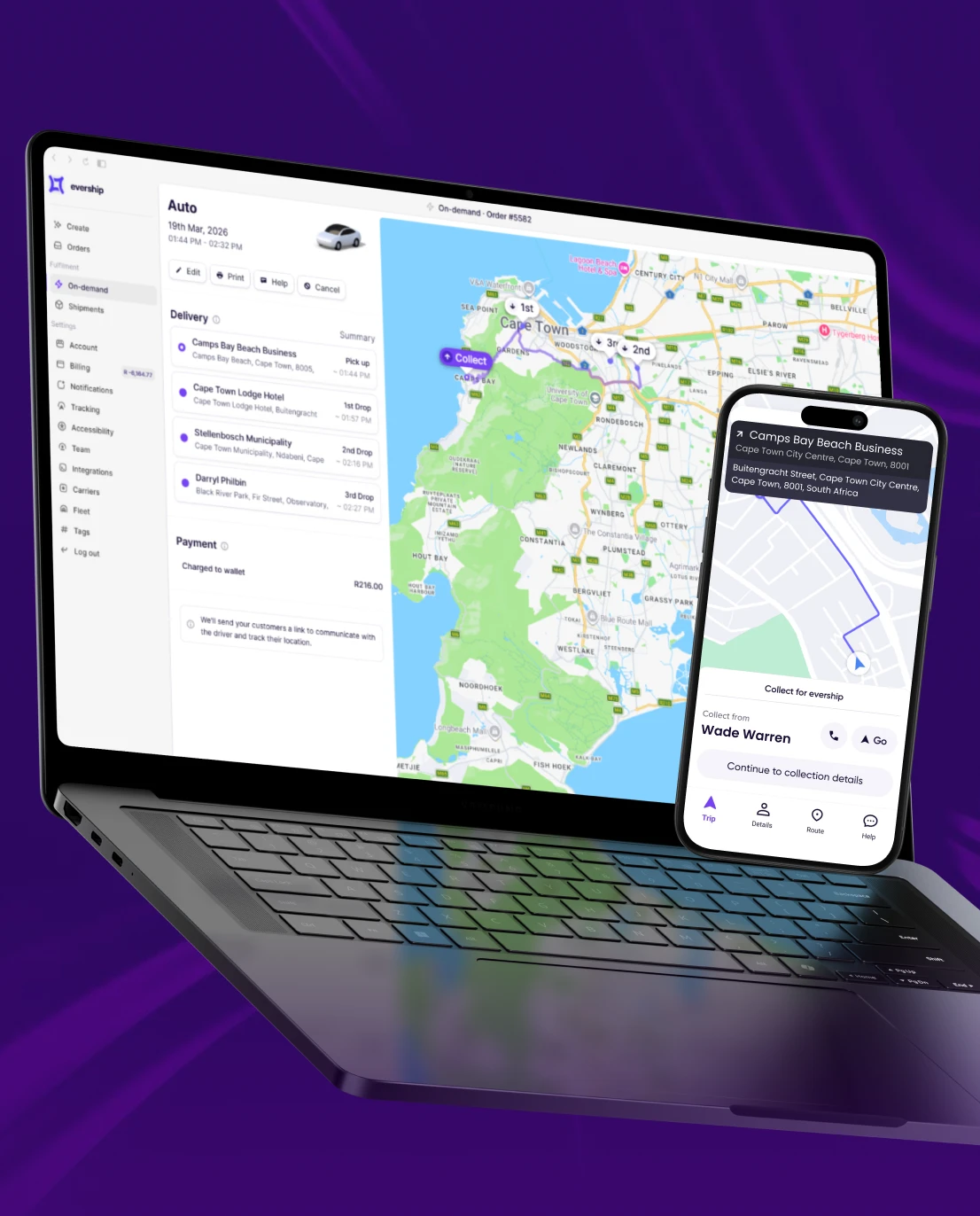
Evership is a shipping and fulfilment automation platform created for eCommerce businesses.
The product connects:
through a centralized software platform.
The platform uses an API-driven architecture with carrier integrations and real-time webhook workflows.
The current Evership case study reports:
Evership demonstrates several SaaS challenges working together:
The product cannot be considered only as a frontend, backend or integration project because changes in one layer can affect the complete customer workflow.
Explore the Evership case study.
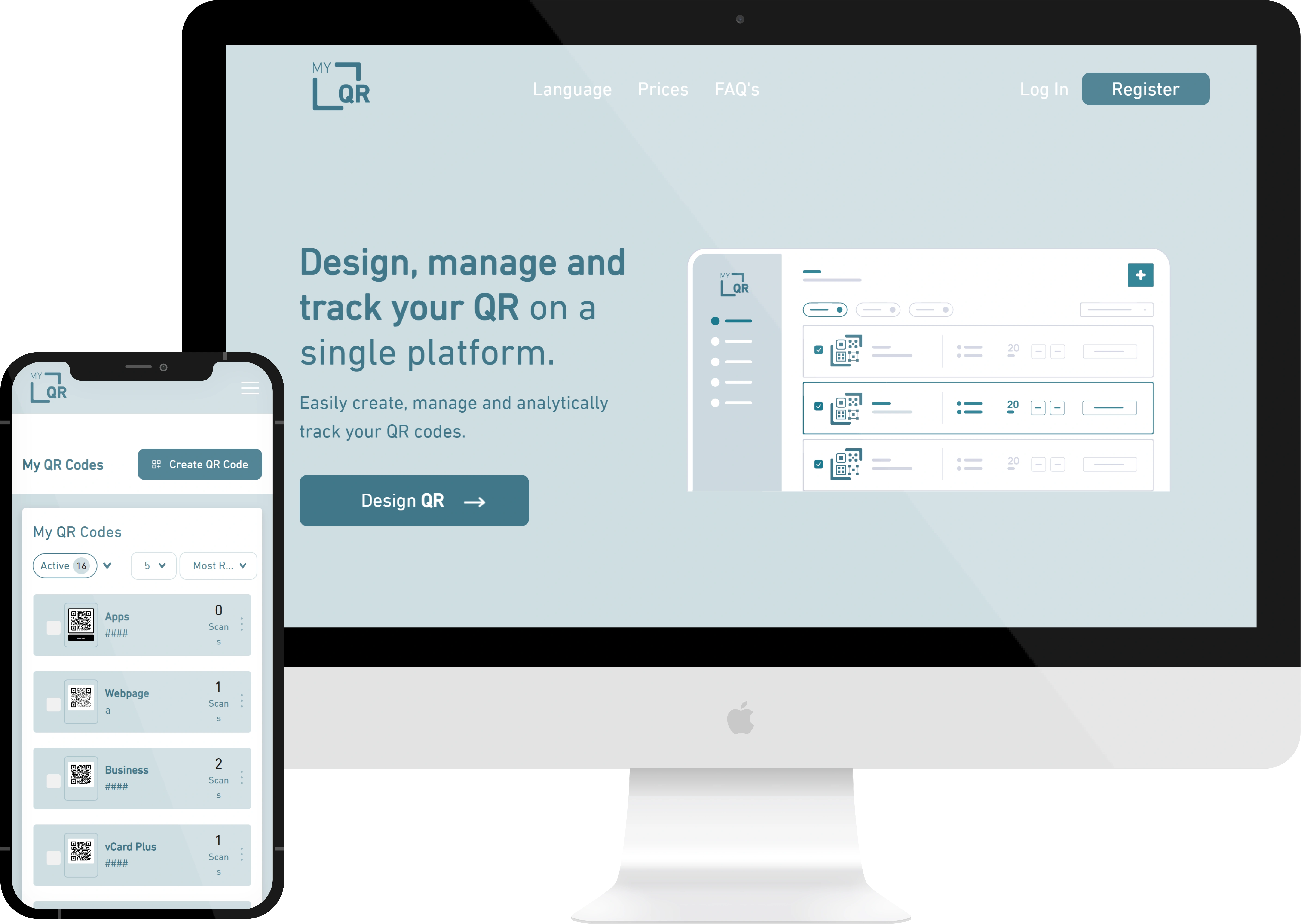
My QR is a SaaS web application developed to allow users to create, manage and track customized QR codes for different types of digital content.
The current Pavans Group case study describes the platform as a SaaS web app supporting 13 languages and advanced QR analytics.
It demonstrates how a focused digital utility can become a software product involving:

rather than functioning as a one-time tool.
Explore the My QR case study.
Tell us what the platform does, how customers use it and what needs to be built or improved.
SaaS products often become more valuable as they connect to the tools customers already use.
But every integration creates another external dependency.
If both your SaaS platform and a CRM contain a customer record, which one owns the canonical information?
If this is not clear, automated synchronization can create conflicting updates.
Consider:
or:
The platform needs to know how to recover, retry or surface those failures.
Integration problems should not depend entirely on customers reporting that something stopped working.
Logging and monitoring can help identify:
before the problem becomes difficult to diagnose.
A slow SaaS application can originate from:
The framework is not automatically the problem.
As customer data grows, inefficient queries and indexes can create increasing response times.
Multi-tenant applications should retrieve the correct data efficiently while maintaining tenant boundaries.
Long-running tasks such as imports, reports or external synchronization may be better handled outside an immediate user request where the workflow allows it.
Frequently requested data that changes infrequently may benefit from caching, provided customer isolation and consistency are maintained.
Identify the actual bottleneck before changing architecture.
Performance engineering should be based on evidence rather than assumptions about a particular framework.
SaaS businesses can collect a large amount of data without learning anything useful.
Are customers completing onboarding?
Which features are actually used?
Where do users abandon important workflows?
Which parts of the product create repeated support requests?
Product analytics may involve:
Measure the behavior required to make product decisions rather than tracking metrics merely because they are available.
Established SaaS products can accumulate technical debt while still serving customers successfully.
Modernization should protect existing product value.
Identify:
before changing architecture.
Potential improvements can include:
A complete rewrite should be justified by the actual technical and product constraints.
Existing customers may depend on:
Modernization should account for those dependencies rather than treating the current product as disposable.
Pavans Group works across frontend, backend, mobile, data, cloud and AI technologies used in modern software products. Its current published technology ecosystem includes React, Next.js, Vue, Angular, Node.js, Python, Laravel, PostgreSQL, MySQL, MongoDB, Redis, Firebase, Supabase, AWS, Google Cloud, Docker and related technologies.
SaaS interfaces can be developed using technologies such as:


The frontend should be selected around the product's interface, rendering, maintainability and engineering requirements.
Backend development can involve:


The backend should represent SaaS concepts such as customers, roles, plans and workflows clearly.
Product requirements may involve:


Database selection should follow the application's data relationships, access patterns and scaling requirements.
SaaS products may use infrastructure and deployment technologies such as:


The infrastructure should support the product's actual reliability, deployment and scaling needs.
A SaaS provider stores or processes information on behalf of multiple customers.
That makes access control and product boundaries especially important.
Users should have an appropriate way to prove their identity before accessing the product.
Authentication does not mean a user can access everything.
The application should enforce what that user can do inside the correct organization and role.
Customer data should remain appropriately separated throughout the application stack.
Internal administration tools can have powerful access and therefore require appropriate control.
API keys, tokens and other integration credentials need appropriate handling and storage.
Security should be considered while architecture and workflows are being designed, not added only after development is complete.
Start by defining:
These decisions determine what should be built.
Separate:
from:
A SaaS MVP should deliver the product's central value without attempting to implement every future feature.
Establish:
before these concepts become spread across the application.
If subscriptions, payments or third-party systems are central to the product, they should influence the architecture early.
Map important journeys such as:
along with administration, failure states and edge cases.
Build functionality in manageable product increments that can be tested against actual workflows.
Pavans Group's wider product-development positioning covers planning, UI/UX, development, testing, deployment and ongoing product enhancement.
Testing should include more than isolated screens.
Validate journeys involving:
After customers begin using the product, evaluate what actually happens.
Real product behavior should influence the next roadmap.
Knowing a framework is useful, but SaaS development requires broader product thinking.
Ask how the developer would model:
The answers should reflect the actual product rather than a generic SaaS template.
For multi-tenant products, ask how tenant context is maintained across:
Tenant boundaries should be deliberate.
Developers working on subscription products should understand how payment events affect product access and account state.
Ask how external-system failures, retries and webhooks will be handled.
A SaaS product cannot assume every connected provider will always respond successfully.
The developer should understand why a feature exists and what customer workflow it supports.
That context helps identify edge cases before they become production problems.
For a live SaaS platform, ask how the developer approaches an unfamiliar codebase without immediately recommending a rewrite.
Evaluate how the team approaches:
SaaS products are long-lived systems.
Developers should build for the next release as well as the current one.
There is no single meaningful SaaS development rate that applies to every product.
Cost depends on the product stage, architecture and responsibility required.
An MVP and a mature SaaS platform require different levels of discovery, compatibility and engineering.
Multi-tenant architecture, complex organization structures and customer-specific configuration can increase development effort.
Plans, trials, usage limits, upgrades, cancellations and billing integrations can add product and engineering complexity.
Simple member/admin access is different from a platform with multiple organizations, teams, roles and resource-level permissions.
Payment gateways, CRM, ERP, shipping, accounting or other third-party systems introduce additional requirements and failure scenarios.
A live SaaS product may require technical discovery before new work can be accurately estimated.
A product requiring UI/UX, frontend, backend, APIs, QA and cloud support needs a different team structure from a narrowly defined backend feature.
Products supporting significant business operations may require additional work around performance, monitoring, redundancy and testing.
A stronger estimation sequence is:
rather than selecting SaaS developers on rate alone.
The technology may be similar while the product workflows are completely different.

SaaS logistics platforms can connect:
Evership provides direct Pavans Group experience with this type of integration-heavy SaaS ecosystem.

Enterprise software developers can build and evolve business-critical platforms that combine web applications, mobile workflows, offline functionality, reporting, operational forms and APIs across complex organizational processes.
These systems are especially valuable when multiple teams, locations and operational workflows need to stay connected through one reliable software platform.

Focused SaaS products can turn a specific capability into a recurring online service.
My QR demonstrates this model through QR creation, management and analytics delivered as a multilingual web application.
Pavans Group's current company website explicitly includes SaaS products within its software and digital-product capabilities.
Evership provides direct evidence of SaaS product architecture involving customer companies, shipping workflows, carrier integrations, APIs, webhooks and automation.
My QR demonstrates a focused multilingual SaaS web product with QR management and analytics.
Pavans Group works across frontend, backend, mobile, APIs, databases, cloud, AI and UI/UX, allowing SaaS requirements to be evaluated across the complete product rather than only one development layer.
SaaS work can include:
The development approach should follow the product's current stage.
Pavans Group provides both product design and development capabilities, helping connect user workflows with real application behavior.
Explore our UI/UX design services for products requiring design and engineering support together.
Pavans Group is headquartered in Vadodara, Gujarat, India and has been developing software and digital products since 2011. Its current website describes work across software, web, mobile, AI, IoT and SaaS products for businesses in India and international markets.
Also consider:
A SaaS product may continue evolving for years. The development relationship should therefore support more than the first release.
A SaaS developer builds and evolves software delivered as an ongoing online service.
Responsibilities can include customer accounts, multi-tenancy, roles, subscriptions, billing, APIs, integrations, dashboards, databases, administration, cloud deployment and continued product enhancements.
Multi-tenant SaaS allows several customers or organizations to use a shared software platform while maintaining appropriate separation between their accounts, data and access.
The exact architecture can vary depending on security, data and product requirements.
No.
Some SaaS applications use single-tenant or hybrid architectures because of customer, infrastructure, isolation or deployment requirements.
The tenancy model should follow the product rather than being chosen simply because multi-tenancy is common.
Yes.
SaaS MVP development should focus on the smallest coherent product that allows the business to validate its core customer problem and workflow.
Advanced functionality can then be prioritized from real product evidence.
Yes.
Work can include new features, billing changes, integrations, performance improvements, architecture modernization, frontend development, API changes and technical-debt reduction.
Existing customer behavior and dependencies should be understood before major changes are introduced.
SaaS products can require subscription plans, payment integrations, upgrades, cancellations and related product-access logic.
The exact billing implementation should be designed around the product's commercial model and chosen payment provider.
Yes.
Payment integrations can support subscriptions, one-time transactions and other commercial workflows depending on the provider and product requirements.
Pavans Group's published portfolio includes Stripe and Razorpay integrations in software products.
Yes.
SaaS platforms commonly depend on APIs and integrations for payments, CRM, ERP, eCommerce, logistics and other external systems.
For integration-heavy requirements, explore our API development expertise.
Yes.
A SaaS ecosystem may include:
The architecture should allow these interfaces to use consistent product rules and data.
Custom software is typically designed around specific business workflows, often for one organization.
SaaS software is generally developed as an ongoing product for multiple customers or organizations.
The two can overlap, but SaaS commonly adds product requirements such as tenancy, subscriptions and continuous customer-facing releases.
Full-stack describes technical capability across frontend and backend.
SaaS development describes the product context.
A full-stack developer can work on SaaS, while a larger SaaS platform may also require specialist frontend, backend, API, cloud, mobile and UI/UX expertise.
Yes, where the performance problem can be identified and addressed.
Potential bottlenecks include frontend rendering, APIs, application logic, database queries, caching, third-party services and infrastructure.
Measure before redesigning the architecture.
Potentially.
The work may involve changes to:
The existing software should be assessed before deciding whether incremental conversion or deeper architectural change is required.
Cost depends on product stage, tenancy, billing, roles, integrations, architecture, platforms, existing code and the development responsibilities required.
A requirement-based estimate is more useful than applying one generic developer rate to every SaaS product.
The timeline depends on the scope of the first release, number of user types, product workflows, integrations, billing, platforms and technical complexity.
A focused SaaS MVP requires a different timeline from a mature multi-tenant platform involving several applications and integrations.
Yes. Pavans Group's portfolio includes Evership, which is documented as a shipping and fulfilment SaaS platform, and My QR, which is documented as a multilingual SaaS web application.
Yes. Pavans Group is headquartered in Vadodara, Gujarat, India and was established in 2011.
Useful information includes:
You do not need a finished technical specification simply to begin discussing the product.
A SaaS platform is not finished when version one goes live.
Then evolve the architecture and roadmap from real product needs.
Pavans Group can support SaaS products from early planning and MVP development through launch, integrations, product growth and modernization.
Tell us what you are building, who the customers are and what stage the SaaS product is at.

