



Hire Backend Developers
in India

Build the systems your users may never see-but your software depends on every time someone logs in, makes a payment, places an order, books a service or connects to another platform.

Pavans Group provides backend development expertise from Vadodara, Gujarat, India for APIs, application logic, databases, authentication, integrations and server-side workflows across SaaS platforms, custom software, mobile applications and business systems.

A reliable backend has to do more than return successful API responses. It must apply business rules correctly, protect data, handle failures, integrate with external systems and remain maintainable as the product evolves.

Tell us what you're building.

By submitting you agree to our Privacy Policy.

What does a backend developer do?

A backend developer builds and maintains the server-side systems responsible for processing requests,
applying business rules, managing data and communicating with other applications.

Depending on the product, backend development can include:

The real responsibility is making sure that requests, data and business processes move through the software correctly, securely and reliably.

REST and GraphQL APIs
Business logic
Authentication and authorization
Database operations
Third-party integrations
Background jobs
Webhooks
Data synchronization
Notifications
Payment workflows
Logging and error handling
Caching
Performance and security

Backend engineering is not simply "building APIs."

Backend development at a glance

Application logic

How the product behaves

APIs

How applications and systems communicate

Authentication

Who is making the request

Authorization

What that user can do

Databases

How application data is stored and retrieved

Integrations

How external systems exchange information

Background processing

Work that should not block the user

Reliability

What happens when systems or integrations fail

Need backend expertise for an existing application?

Backend engineering proven in real software products

A list of backend technologies shows capability. Production software provides stronger evidence.

Pavans Group has developed products where APIs, databases, integrations, permissions and server-side workflows play central roles.

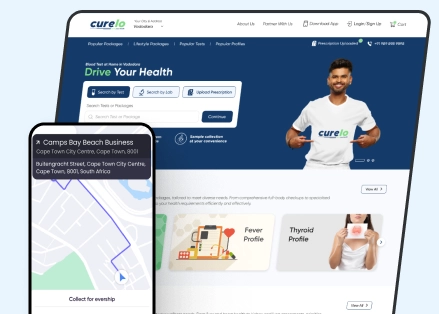
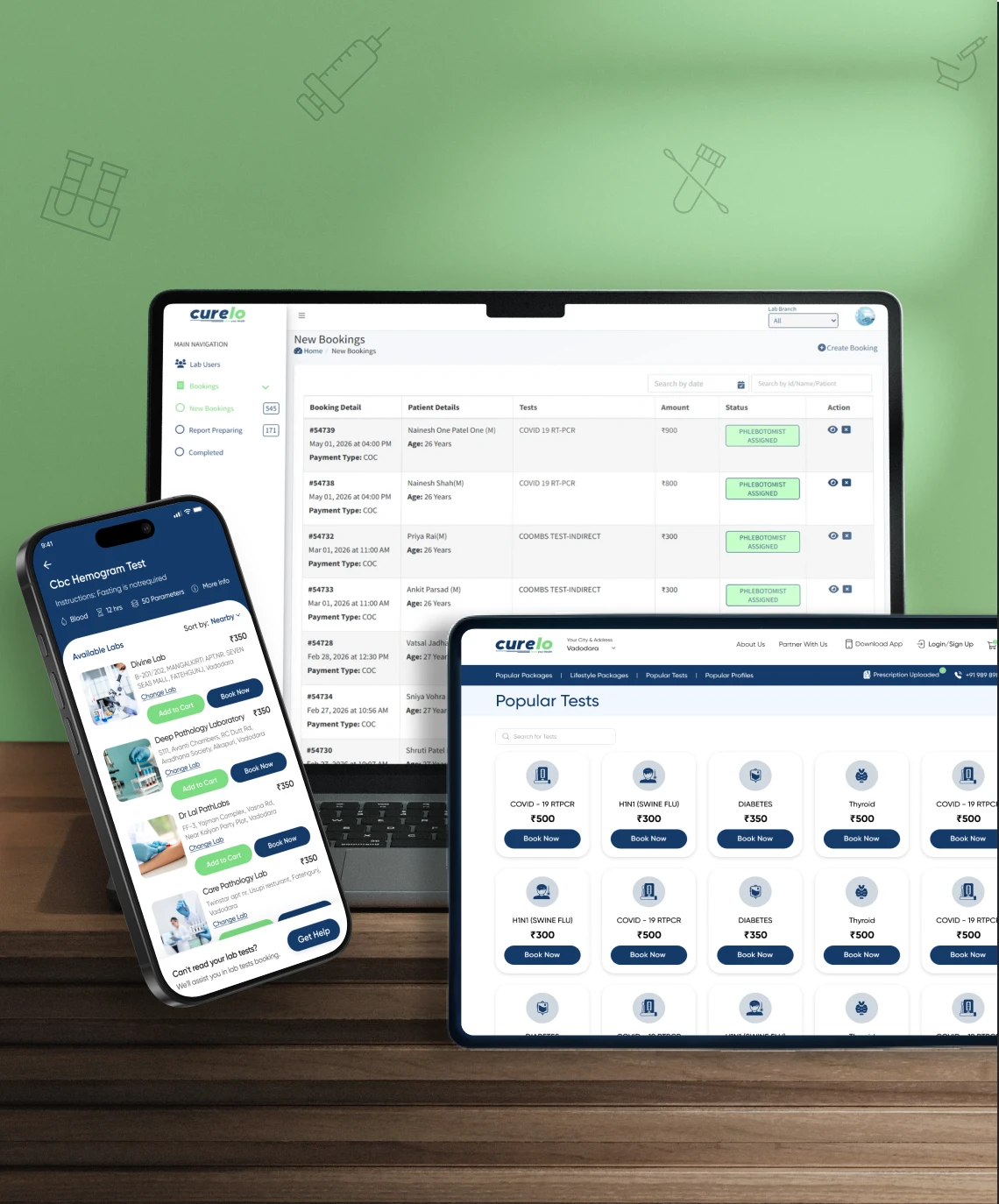
Curelo product screenshot

Curelo - backend for a multi-sided healthcare platform

Curelo connects patients, diagnostic laboratories and phlebotomists through one digital ecosystem.

Its backend needs to coordinate search, bookings, payments, laboratory workflows, phlebotomist assignments, status changes and digital reports.

Backend capabilities demonstrated

  • Booking-engine logic
  • API-driven workflows
  • Role-based access
  • Database optimization
  • Razorpay payment integration
  • Real-time booking management
  • Digital report workflows
  • Scalable cloud backend

Why this matters

A patient booking can move through:

Evership workflow diagram

The backend must preserve the rules and data relationships across the entire workflow.

Published Curelo results

1.5K+Laboratories onboarded
5K+Diagnostic tests
350K+Orders processed
12+Cities

Curelo's current Pavans Group case study documents these workflows, its scalable backend and the published project metrics.

Explore the Curelo case study.

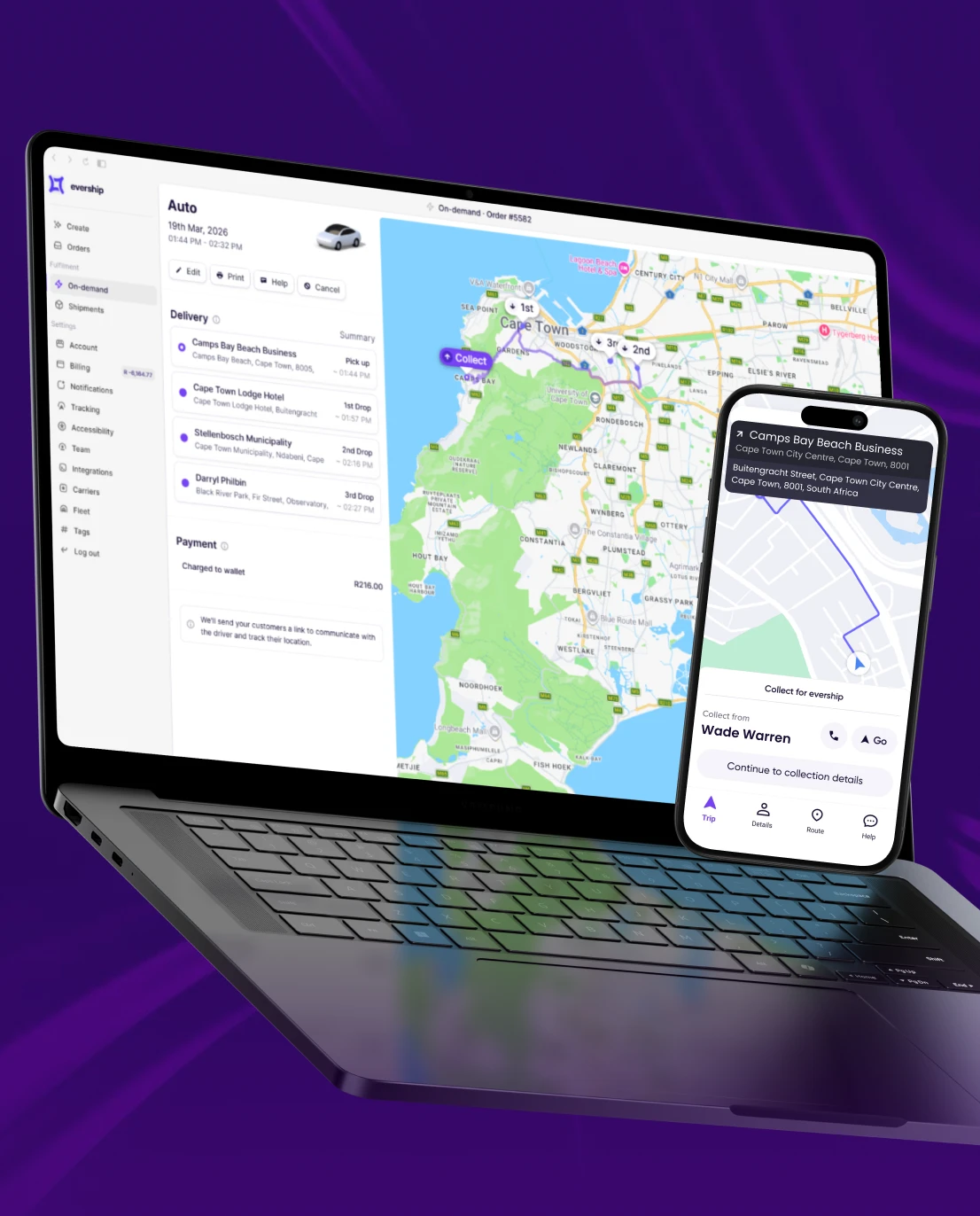
Curelo product screenshot

Evership - API-first logistics and fulfilment platform

Evership combines merchant interfaces with shipping APIs, carrier integrations, webhooks, order synchronization, driver workflows and real-time tracking.

Backend capabilities demonstrated

  • API-first architecture
  • Carrier APIs
  • Secure API authentication
  • Real-time webhooks
  • Shipment creation APIs
  • Tracking APIs
  • Order synchronization
  • Driver-management workflows
  • Workflow automation

Why this matters

A shipment event may move through:

Evership workflow diagram

Unlike code inside one controlled application, integration-heavy backends must also handle systems the development team does not control.

That makes API contracts, synchronization and failure handling critical.

Published Evership results

1.2K+Registered users
500Registered companies
1.6K+Active drivers
33K+Completed deliveries
170K+Total drops

These capabilities and results are documented in the current Evership case study.

Explore the Evership case study.

Curelo product screenshot

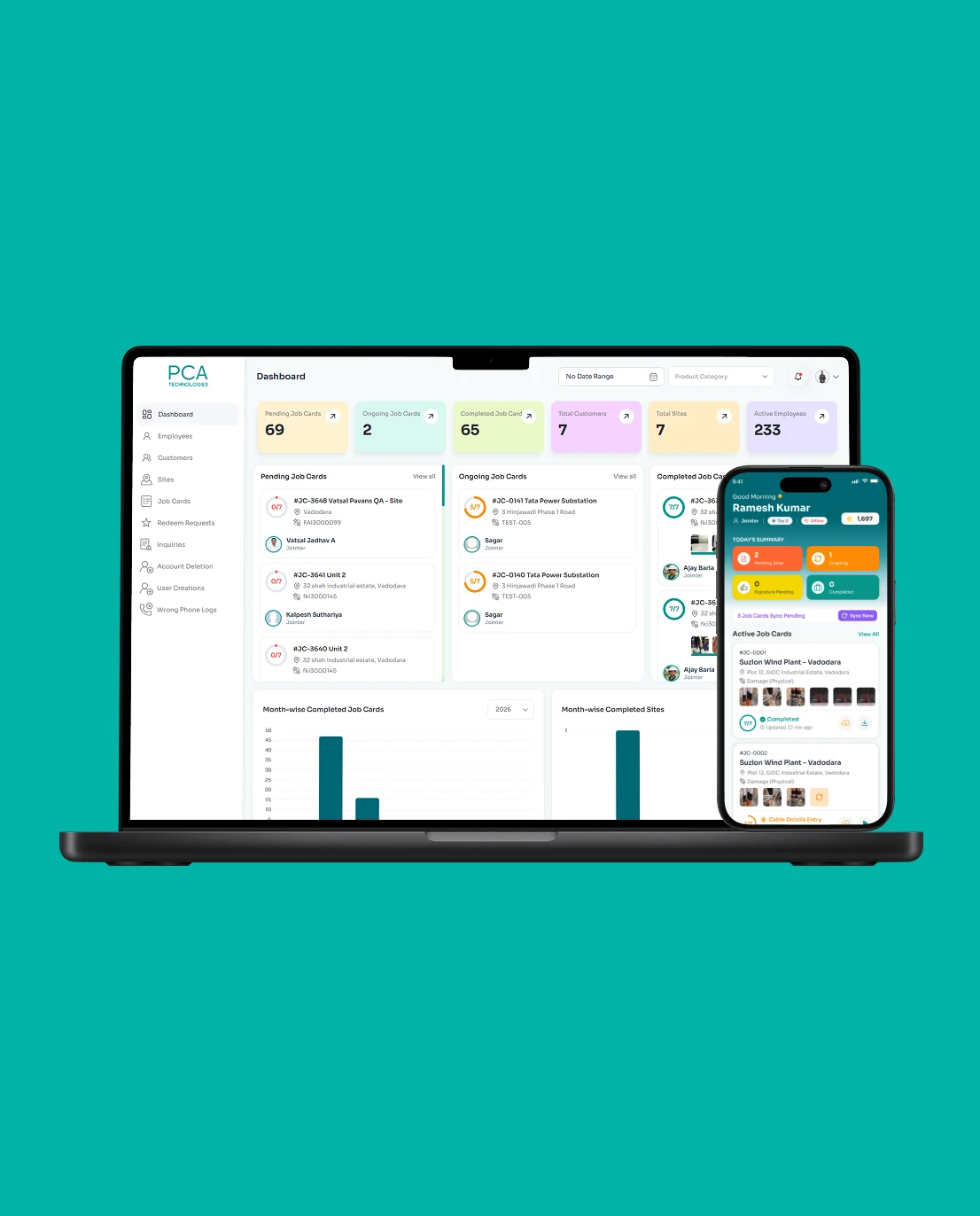
PCA - backend connecting web and field operations

PCA required backend services supporting a web administration platform and Flutter applications used for field operations.

The published implementation documents Laravel, PHP, MySQL, APIs, permission architecture, security protocols and database optimization.

Explore the PCA case study.

When should you hire backend developers?

Backend specialists become particularly valuable when most of the product complexity exists behind the interface.

You need to build core business logic

Backend software turns business rules into application behavior.

A booking platform, for example, may need to determine:

Whether a service is available Which user can access it Which price applies Whether the booking can proceed Which provider receives it How the payment is processed When notifications are triggered How the transaction is stored

The backend needs to handle both the successful path and the exceptions.

You need APIs for web, mobile or partner applications

One backend may serve:

Web application Mobile app Admin portal Partner system

Backend engineers define how those interfaces access application data and functionality.

When APIs themselves are the primary product or technical challenge, explore our planned API developer expertise page.

Your application has complex data requirements

Backend engineering becomes more important as data relationships and workflows become more sophisticated.

A booking platform, for example, may need to determine:

Schema design relationships transactions indexing Query performance migrations caching reporting Search concurrency data integrity

A database problem eventually becomes a product problem if it creates slow APIs, inconsistent information or difficult feature development.

Your software depends on external systems

Modern applications frequently connect to:

payment gateways CRM platforms ERP systems shipping providers authentication services eCommerce platforms communication tools analytics products external APIs

The backend usually owns much of the logic surrounding these connections.

Your backend is becoming a bottleneck

Early architecture may work well until:

user volume grows transactions increase data expands integrations multiply application workflows become more complicated multiple products depend on the same backend

At that stage, backend development can shift from feature implementation toward reliability, architecture and performance.

Your frontend or mobile team needs server-side capacity

If your existing team already covers design and client-side development but lacks APIs, application logic or database capacity, adding backend expertise may be more appropriate than adding another broad development team.

Backend developer vs full-stack vs
API developer

These roles overlap, but the depth and ownership are different.

Requirement Better starting point
Business logic, databases and APIs dominate Backend developer
Feature work regularly crosses frontend and backend Full-stack developer
APIs/integrations are the primary deliverable API developer
Existing frontend team needs server-side capacity Backend developer
Complex database architecture Backend specialist
Lean MVP requires broad application coverage Full-stack developer
Infrastructure is the primary challenge DevOps/cloud engineer
UI architecture is the main challenge Frontend developer
Major system redesign is required Architecture expertise

Choose backend expertise when depth matters more than breadth

  • When you are extending an existing application

    Backend specialists are especially relevant when responsibility centers on:

    Server-side architecture Database design Business logic Integrations Data processing API performance Reliability Backend security

    Explore full-stack developers when the same features need significant work across both frontend and backend.

    Explore API developers when API contracts and integrations dominate the requirement.

Backend development expertise
at Pavans Group

Pavans Group's documented backend technology ecosystem includes Node.js, Python/Django, FastAPI, .NET Core,
Laravel, REST APIs and GraphQL, alongside SQL/NoSQL databases and cloud infrastructure. The stack should follow the application requirement rather than forcing every product into the same architecture.

Build the server-side functionality behind web applications, mobile products, SaaS platforms and business software.

Backend application development can involve:

Business workflowsAccounts and usersPermissionsData processingTransactionsNotificationsReporting logicBackground processingSearchAutomation

Keep business rules in the right layer

Important application rules should not become scattered across multiple user interfaces. Appropriately centralizing backend business logic can improve consistency when the same product is accessed through web, mobile or other applications.

Pavans Group's documented stack includes REST and GraphQL.

APIs may connect:

Web applicationsMobile applicationsThird-party platformsPartner systemsInternal servicesExternal integrations

Good API design starts with the consumer

A technically valid endpoint is not automatically a well-designed API.

Consider:

Request structureResponse structureAuthenticationAuthorizationValidationPaginationFilteringError responsesPerformanceDocumentationCompatibility

Documented Pavans Group database technologies include:

PostgreSQLMySQLMongoDBSQLiteRedisRealmElasticsearch

Backend responsibilities may include:

Data modellingRelationshipsMigrationsIndexingQuery designCachingSearchReportingPerformance

Choose the database around the data

Relational, document, caching and search technologies solve different problems.

Database architecture should follow:

Data structure - Access patterns - Consistency requirements - Reporting - Expected scale

Not whichever database happens to be fashionable.

Authentication asks: who is making the request?

Authorization asks: what is that person allowed to do?

Products may require access rules across:

CustomersAdministratorsEmployeesVendorsPartnersAgentsOrganizationsSubscription levels

Real permissions are often more complex than admin vs user

A product might need rules resembling:

Organization - Department - Role - Resource - Permitted action

Access control should reflect the actual business model rather than being added after application development is almost complete.

Backend systems often connect products with payments, shipping, CRM, ERP, authentication, email, messaging, maps and other services.

Successful integration is only the first scenario

Production integrations also need to consider:

TimeoutsRetriesDuplicate webhook eventsValidation failuresUnavailable external systemsSynchronization problemsLoggingRecovery workflows

A backend that handles only successful responses is not handling the complete integration.

Not every operation should keep a user waiting for an HTTP request to finish.

Background processing can support:

NotificationsReport generationData importsScheduled processingSynchronizationFile processingExternal API callsLonger calculations

Moving longer-running work out of the immediate request path can improve responsiveness and reliability.

What can backend developers build?

Backend developers can support any product where application rules, data and integrations need to operate reliably.

Building a SaaS platform, mobile backend or operations system?

SaaS backends

Backend development for SaaS can include:

User accounts Organizations Authentication Permissions Subscriptions Payments APIs Integrations Notifications Reporting Tenant-aware data

For broader SaaS requirements, explore SaaS developers once published.

Custom business applications

Backend systems can automate:

Operational workflows Approvals Permissions Reporting Data processing Notifications Integrations Internal business processes

Related: custom software developers.

Mobile application backends

Mobile applications frequently depend on backend APIs for:

Authentication Profiles Data synchronization Payments Notifications Business logic Media Location Integrations

A single backend may support Android, iOS and web clients simultaneously.

Related: mobile app developers.

Customer and partner portals

Backends can power portals involving:

Account management Secure login Roles and permissions Orders Documents Reporting Workflow actions Third-party systems

Enterprise applications

Enterprise backend work may involve existing systems, complex workflows, permissions, reporting, integrations and data migration.

Related: enterprise software developers.

Logistics and operational platforms

Backend systems can coordinate orders, shipments, drivers, sites, tracking events, carriers and field activities.

Evership and PCA provide direct first-party examples.

Backend architecture should follow the requirement not the trend

Architecture determines how easily software can be developed, operated and changed. The goal is not to choose the most fashionable architecture. It is to choose the simplest architecture that can reliably support the actual product.

Structured monolithic applications

A well-structured monolith can be appropriate when the product benefits from:

Straightforward deployment Lower operational complexity Simpler transactions Easier debugging Faster early development

Problems usually come from poor boundaries and tightly coupled code, not simply because the system is deployed as one application.

Service-oriented or distributed architecture

Separating functionality can become useful when:

Domains need independent ownership Workloads scale differently Teams deploy independently Reliability boundaries matter Several systems consume shared capabilities

It can introduce:

Network failures Service dependencies Data consistency challenges Additional deployment complexity Harder debugging Greater observability requirements

Microservices should solve a real organizational or technical problem.

API-first architecture

An API-first approach can be useful when one backend serves:

Web applications Mobile applications Partners Customers External developers Third-party integrations

Evership is a relevant example because its published implementation describes an API-first fulfilment architecture with secure API authentication and webhook-driven integration.

Backend performance and scalability

Scalability does not come from adding one framework, database or cloud service. It results from how the complete backend behaves under real workload.

  • API performance

    Slow APIs can affect every client using them.

    Investigation may include:

    Database queries Payload size Application processing Pagination Excessive external requests Caching Background processing
  • Database performance

    Backend engineers may investigate:

    Slow queries Missing indexes Inefficient data relationships Locking Excessive database calls Large result sets Reporting workloads Connection management
  • Caching

    Caching can reduce repeated work where data does not need to be generated or retrieved from the primary database on every request.

    But it introduces new decisions:

    What should be cached? For how long? How is it invalidated? When is stale data acceptable?

    Redis is part of Pavans Group's documented technology stack.

  • Infrastructure scaling

    As requirements grow, backend scalability can extend into:

    Cloud infrastructure Containers Deployment automation Monitoring Orchestration

    Pavans Group's documented ecosystem includes AWS, Google Cloud, Firebase, Docker and Kubernetes.

    When infrastructure becomes the primary problem rather than application code, DevOps engineers or cloud engineers may be the better starting point.

Backend slowing down as your product grows?

Backend security should be designed into the system

Customer information Credentials Payments Business data Administrative functionality APIs Internal systems

Security therefore needs to exist across architecture and implementation rather than being treated as a final pre-launch task.

  • Authentication

    Verify who is making the request.

  • Authorization

    Verify whether that user can perform the requested action.

  • Input validation

    Information coming from a browser, app or third-party system should not automatically be trusted.

  • API security

    Depending on the system, API protection may include:

    Authentication Authorization Request validation Rate controls Secure error handling Logging
  • Sensitive data and access

    Secrets, credentials and sensitive data need appropriate storage and access controls.

    Pavans Group's current software-development page describes OWASP-aligned development, encryption at rest and in transit, role-based access and security reviews.

Backend developers for existing applications

Backend development does not require starting from scratch. Established software can create more demanding engineering requirements because changes must preserve existing data, users and workflows.

  • Add backend functionality

    Extend existing services while maintaining compatibility with applications already depending on them.

  • Optimize database access

    Improve queries, indexes or data access where actual performance evidence identifies a problem.

  • Improve APIs

    Extend or reorganize APIs as product responsibilities evolve.

  • Add integrations

    Connect additional systems without breaking established workflows.

  • Modernize backend software

    Modernization can include:

    Framework upgrades API restructuring Database migration Component refactoring Cloud migration Performance improvements Security improvements
  • Understand before rewriting

    Legacy code can contain years of undocumented business rules.

    The first objective should be understanding existing behavior before deciding which components truly need to be replaced.

Backend technologies in the Pavans Group development ecosystem

Area Technologies
Backend Node.js, Python/Django, FastAPI, .NET Core, Laravel
APIs REST, GraphQL
Relational databases PostgreSQL, MySQL, SQLite
Data / supporting technologies MongoDB, Redis, Realm, Elasticsearch
Cloud AWS, Google Cloud, Firebase
Infrastructure Docker, Kubernetes
  • Node.js

    Node.js

    Node.js can support API-driven products, SaaS applications and event-driven backend requirements.

    For technology-specific hiring intent, use Node.js developers rather than making this page compete for that keyword.

  • Python

    Python

    Python-based backends can support conventional applications as well as software involving automation, data processing and AI-related services.

  • Laravel

    Laravel

    Laravel can support custom business applications, portals, APIs and database-driven systems using PHP.

  • .NET Core

    .NET Core

    .NET can support structured business and enterprise backends integrating with wider organizational systems.

Backend development across different industries

Backend technologies may be similar across sectors, but business rules are not. A healthcare booking workflow does not behave like a logistics shipment workflow simply because both use APIs and relational databases.

How Pavans Group approaches
backend development

Good backend engineering begins before implementation.

  • Understand the application

    Start with:

    Users Workflows Existing software Data Integrations Current problems Product priorities Expected growth
  • Assess the backend environment

    For existing software, review

    Backend services API architecture Database Authentication Integrations Infrastructure Performance Security requirements
  • Define API and data contracts

    Clarify how information moves between:

    Frontend - API - Backend - Database - External Systems

    Clear contracts reduce ambiguity between application layers.

  • Implement business logic in iterations

    Break backend work into reviewable product increments instead of treating the server side as a black box.

    Pavans Group's current software-development material describes fortnightly demos and shared project-management visibility.

  • Test successful and failure scenarios

    Start with:

    Unit testing Integration testing API testing Database testing Performance testing Security testing Failure scenarios
  • Deploy, monitor and improve

    Production behavior can expose performance, integration and error conditions that do not appear during development.

    Backend improvement should continue from real operational evidence.

Working with your frontend, mobile or internal engineering team

Backend developers often work as part of a broader product organization.

  • Agree on API contracts

    Frontend and mobile developers should understand:

    Endpoints Request formats Response formats Validation Authentication Error behavior

    before implementation diverges.

  • Define ownership

    Clarify responsibility for:

    Backend services Database APIs Integrations Releases Credentials Infrastructure Production issues
  • Use the same engineering workflow

    Collaboration can involve:

    Repositories Issue tracking Sprint planning Code review QA API documentation Deployment Release planning

    External backend contributors should become part of one product workflow rather than creating a separate development island.

What should you look for when hiring backend developers?

Backend hiring should evaluate more than language familiarity. Knowing Node.js, Python or Laravel does not automatically mean someone is ready to own production-critical data and application behavior.

  • API design

    Can the engineer create clear contracts that remain maintainable as additional clients and features appear?

  • Database understanding

    Can they reason about schemas, relationships, indexing, transactions and query performance?

  • Business-logic modelling

    Can complicated workflows become understandable and maintainable software rules?

  • Security boundaries

    Do they understand authentication, authorization, validation and access control?

  • Performance investigation

    Can the developer find the actual bottleneck rather than immediately recommending additional servers or caching?

  • Maintainability

    Review approaches to:

    Code organization Testing Logging Documentation Error handling Configuration Version control
  • Failure handling

    Ask:

    What happens when the third-party API times out?
    What happens if the same webhook arrives twice?
    What happens when a transaction partially fails?
    What happens when the same request is retried?

    These questions often distinguish basic backend implementation from production engineering.

Hire backend developers in India from Vadodara, Gujarat

Pavans Group operates from Vadodara, Gujarat, India, providing software and product-development expertise for Indian and international requirements.

For companies evaluating backend engineering in India, geography should be only one part of the decision.

Also consider:

Backend architecture experience Relevant product evidence API and database capability Communication Project visibility Security Documentation Maintainability

Backend development for businesses in Vadodara and Gujarat

Pavans Group's local presence gives this page genuine relevance to Vadodara and Gujarat without needing duplicate /vadodara/ or /gujarat/ versions of every backend technology page.

Learn more about our software development capabilities in Vadodara.

Backend engineering for international products

Enterprise backend work may involve existing systems, complex workflows, permissions, reporting, integrations and data migration.

For an international company working with an India-based engineering partner, clarify:

Technical ownership Collaboration processes Source access Documentation Security Release responsibility Communication expectations

Pavans Group's portfolio includes international-facing products such as Evership, alongside broader software-delivery experience.

We should address US, UK, Canada and Australia buyer intent later through your planned country-specific software developer pages rather than creating backend-USA/backend-UK duplicates.

How much does it cost to hire backend developers in India?

There is no universal backend developer rate that accurately represents every requirement. Cost depends heavily on what the developer is responsible for.

Factors that affect backend development cost

  • Technical responsibility

    Implementing straightforward endpoints differs from designing backend architecture.

  • Application complexity

    Permissions, workflows, transaction rules and integrations increase technical responsibility.

  • Database complexity

    Advanced schemas, migrations, large datasets and performance problems can require deeper expertise.

  • Integrations

    Working with several external platforms adds development, testing and failure-handling requirements.

  • Scale and performance

    High traffic, data processing or reliability requirements can change the required engineering level.

  • Existing codebase

    Joining established software may require discovery before meaningful development begins.

  • Supporting disciplines

    Frontend, QA, cloud, DevOps, security and architecture can change the overall development structure.

Compare responsibility before rate

What must the backend developer own?

Software problems often cross technical boundaries.

Then determine:

Responsibility - Expertise - Team structure - Engagement - Cost

Once published, internally link to your supporting article:

Need an estimate based on your backend requirement?

Why consider Pavans Group for backend development?

The reason to consider Pavans Group should come from real backend capability and real applications-not generic claims about “world-class developers.”

Backend technology coverage

Pavans Group documents backend expertise across Node.js, Python/Django, FastAPI, .NET Core, Laravel, REST and GraphQL, alongside SQL/NoSQL data technologies and cloud infrastructure.

Real API and integration experience

Evership demonstrates API-first architecture, external carrier integrations, webhooks and automated logistics workflows.

Experience with complex business logic

Curelo demonstrates booking, payments, laboratory coordination, roles and real-time workflows across a healthcare ecosystem.

PCA demonstrates field-operation workflows, APIs, permissions and backend communication between web and mobile applications.

Supporting engineering disciplines

Backend development can be supported by broader expertise across frontend, mobile, QA, cloud, UI/UX, AI and IoT where the product requires it.

Development visibility and technical handover

Pavans Group's current software-development page describes regular project visibility and handover of source code, database schemas, deployment scripts and documentation.

Frequently asked questions about hiring backend developers

Get answers to common questions about hiring backend developers

A backend developer builds the server-side parts of software, including APIs, application logic, authentication, database operations, integrations and background processes.

Backend expertise is particularly relevant when your product depends heavily on APIs, databases, integrations, authentication, application logic or server-side performance.

Pavans Group's documented backend technology ecosystem includes Node.js, Python/Django, FastAPI, .NET Core, Laravel, REST APIs and GraphQL.

Choose backend expertise when most of the complexity sits in APIs, databases, integrations and server-side logic.

Consider full-stack developers when meaningful feature development regularly crosses both frontend and backend.

Yes. API development is a core backend responsibility.

For integration-heavy or API-product requirements, dedicated API developer expertise may be more appropriate.

Yes. Backend developers can extend existing functionality, improve APIs, add integrations, optimize data access and contribute to modernization.

The current architecture should be understood before major changes are made.

Yes. Mobile applications frequently depend on backend APIs for authentication, data, payments, notifications and business workflows.

Curelo and PCA provide Pavans Group examples of backends supporting mobile applications.

Yes. Backend systems frequently handle payment, shipping, CRM, ERP, authentication and other external integrations.

Evership provides first-party evidence involving carrier APIs and webhooks.

Potentially, but the cause needs to be measured first.

Backend performance problems can originate from application logic, database queries, integrations, caching, payloads or infrastructure.

Cost depends on technical responsibility, experience, backend complexity, database requirements, integrations, architecture and supporting engineering needs.

A requirement-based estimate is more useful than adopting a generic industry rate.

Yes. Pavans Group operates from Vadodara, Gujarat, India.

Useful information includes what the product does, existing backend technology, current architecture, database, APIs, integrations, known technical problems, required functionality, existing development team and desired priorities.

You do not need complete technical documentation simply to start the conversation.

Need backend engineering for your product?

Tell us what the software needs to do behind the interface.

Whether the requirement involves APIs, databases, authentication, integrations, backend modernization or performance, start with the system and the technical problem.

From there, determine whether backend, API, full-stack, cloud or broader software-development expertise is most appropriate.

Discuss your backend development requirements