



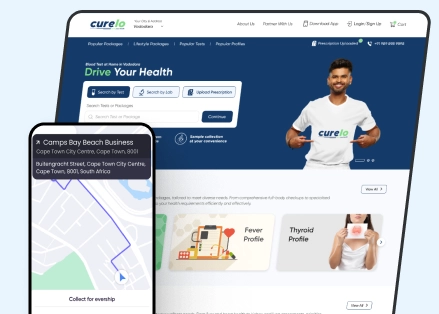
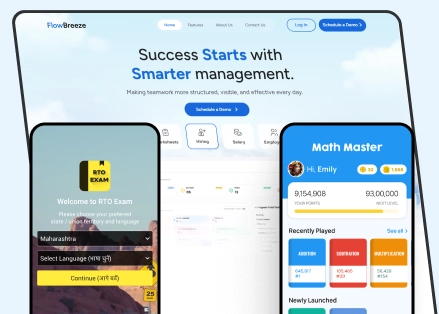



MVP development (Minimum Viable Product development) is the fastest and most cost-effective way for founders to validate an app idea before investing in a full-scale product. By launching only the essential features, startups can gather real user feedback, reduce development costs, attract investors, and iterate quickly based on market demand.
Every Successful Startup Begins with a Simple Question
“Will people actually use this?”
It’s a question every founder asks.
Whether you’re building the next fintech platform, healthcare app, logistics solution, or AI-powered SaaS product, success doesn’t start with hundreds of features—it starts with solving one real problem exceptionally well.
Across Vadodara, a growing startup ecosystem is embracing digital innovation. Entrepreneurs are building products not just for Gujarat but for customers across India and global markets. Yet many promising ideas fail because founders invest heavily in development before validating demand.
That’s where MVP development becomes a game changer.
Instead of spending months and lakhs building a complete application, an MVP helps you launch quickly, test assumptions, gather user insights, and improve your product based on real-world feedback.
In this guide, we’ll walk through the complete journey—from idea validation to launching your app on the App Store or Google Play.
What Is MVP Development?
A Minimum Viable Product (MVP) is the first functional version of your product that includes only the core features needed to solve a specific customer problem.
The goal isn’t to launch a perfect app.
The goal is to answer critical questions:
- Do users find value in the product?
- Will they use it regularly?
- Are they willing to pay?
- Which features matter most?
By focusing on these questions early, founders avoid wasting time and resources on unnecessary functionality.
Why Vadodara Startups Should Build an MVP First
Vadodara has evolved into a growing technology and startup hub. Founders today have access to experienced software teams, startup communities, and affordable development talent.
Launching an MVP offers several advantages:
- Validate ideas before major investment
- Reduce development costs
- Reach the market faster
- Gather user feedback early
- Attract angel investors and venture capital
- Build confidence before scaling
Instead of waiting a year to launch, many startups can release an MVP in just a few months.
The Journey from Idea to App Store
Step 1: Identify a Real Problem
Every successful app begins by solving a genuine pain point.
Ask yourself:
- Who is my target customer?
- What challenge are they facing?
- How are they solving it today?
- Why is the current solution inadequate?
If your app solves a meaningful problem better than existing alternatives, you’re already on the right path.
Step 2: Validate Your Idea
Before writing a single line of code:
- Talk to potential customers
- Conduct surveys
- Study competitors
- Analyze market demand
- Build simple wireframes
- Create landing pages
- Collect email signups
Validation reduces risk and provides valuable direction.
Step 3: Prioritize Core Features
One of the biggest mistakes founders make is trying to include everything in version one.
Focus on the essential functionality.
For example, a food delivery MVP may only need:
- User registration
- Restaurant listing
- Ordering
- Payment
- Order tracking
Features like loyalty programs, advanced analytics, and AI recommendations can wait for future releases.
Step 4: Design an Exceptional User Experience
Users judge your product within seconds.
A clean and intuitive interface increases engagement and retention.
Effective UI/UX design emphasizes:
- Simplicity
- Clear navigation
- Fast interactions
- Mobile responsiveness
- Accessibility
Great design isn’t about aesthetics alone it’s about making tasks effortless.
Step 5: Develop the MVP
Once features are finalized, development begins.
A typical MVP includes:
- Backend architecture
- Mobile app or web application
- Admin dashboard
- Authentication
- Database
- APIs
- Cloud deployment
Modern technologies like Flutter, React, Laravel, Node.js, and Firebase help accelerate development while maintaining scalability.
Step 6: Test Thoroughly
Quality assurance ensures your MVP delivers a reliable user experience.
Testing should cover:
- Functional testing
- Performance testing
- Security testing
- Device compatibility
- Usability testing
Launching without proper testing can negatively impact user trust.
Step 7: Publish Your App
After successful testing:
- Prepare App Store assets
- Optimize app descriptions
- Create screenshots
- Configure analytics
- Submit to Google Play and Apple App Store
Your product is now ready for real users.
What Happens After Launch?
Launching is only the beginning.
Monitor:
- Downloads
- Daily active users
- Retention
- Crash reports
- Feature usage
- User feedback
This data helps prioritize future updates.
Common Mistakes First-Time Founders Make
Building Too Many Features
A feature-rich product isn’t always valuable. Focus on solving one problem exceptionally well.
Ignoring Customer Feedback
Real users often reveal insights that assumptions cannot.
Delaying the Launch
Waiting for perfection delays learning. Launch early and improve continuously.
Choosing the Wrong Technology Partner
An experienced development partner can save significant time and cost by selecting the right architecture from the beginning.
How Much Does MVP Development Cost?
Costs depend on complexity, integrations, design requirements, and platform choice.
MVP Type | Estimated Timeline | Typical Budget |
Simple App | 6–8 weeks | ₹5–10 Lakhs |
Medium Complexity | 10–14 weeks | ₹10–20 Lakhs |
Enterprise MVP | 4–6 months | ₹20 Lakhs+ |
Remember, an MVP is an investment in learning not just software development.
Choosing the Right Development Partner
Look for a team that offers:
- Product strategy guidance
- UI/UX expertise
- Agile development
- Transparent communication
- Post-launch support
- Experience with startups
- Scalable architecture
A strong technology partner contributes beyond coding by helping refine your product vision.
Why Founders Choose Pavans Group
At Pavans Group, we’ve helped startups, SMEs, and enterprises transform ideas into scalable digital products.
Our capabilities include:
- MVP Development
- Mobile App Development
- Web Application Development
- AI Software Development
- UI/UX Design
- Cloud Application Development
- Product Engineering
- API Integration
- Software Modernization
With 15+ years of experience and 100+ successful digital products, we focus on building MVPs that validate ideas, accelerate launches, and support long-term growth.
Whether you’re launching your first startup or expanding an existing business, our team works closely with founders to create reliable, scalable, and market-ready applications.
Final Thoughts
Every successful startup begins with a single step.
An MVP allows founders to transform ideas into working products without unnecessary risk. By validating assumptions early, listening to users, and improving continuously, you increase your chances of building a product that truly resonates with the market.
For founders in Vadodara, the opportunity has never been greater. With access to skilled development teams and a growing entrepreneurial ecosystem, now is the perfect time to bring your idea to life.
Instead of asking, “How do I build the perfect app?” ask, “What’s the smallest product that delivers real value?”
That mindset has launched some of the world’s most successful startups and it can help launch yours too.
Frequently Asked Questions
What is MVP development?
MVP development is the process of building a minimum viable product with only the essential features needed to validate a business idea and gather user feedback.
How long does MVP development take?
Most MVPs can be developed within 6 to 16 weeks, depending on complexity and project scope.
How much does MVP development cost?
The cost varies based on features, platforms, integrations, and design requirements. A simple MVP generally costs significantly less than building a full-featured application.
Why should startups build an MVP?
An MVP helps validate ideas, reduce development risk, gather user insights, attract investors, and accelerate time to market.
What features should an MVP include?
Only the features required to solve the primary problem for your target audience. Additional functionality can be introduced based on user feedback.
Can an MVP become a full product?
Yes. Most successful products begin as MVPs and evolve through continuous updates based on real user behavior.
Is MVP development suitable for enterprise software?
Absolutely. Enterprises often use MVPs to validate new digital initiatives, internal tools, or customer-facing applications before full-scale deployment.
Why choose a local MVP development company in Vadodara?
Working with a local team offers easier collaboration, faster communication, cultural alignment, and ongoing support while benefiting from competitive development costs.
Conclusion
MVP development is more than a development methodology—it’s a smart business strategy. By focusing on essential functionality, validating ideas with real users, and iterating based on feedback, founders can reduce risk and build products that have a greater chance of success.
If you’re a founder in Vadodara with an app idea, starting with an MVP can help you move from concept to App Store faster, with greater confidence and a clearer path to sustainable growth.
Author Bio
Pavans Group Team
Pavans Group is a top-rated software, web, mobile app, AI and IoT development company based in Vadodara, Gujarat. With 100+ apps delivered for clients including Amul, Indian Oil, and global startups, we help businesses build reliable, scalable digital products. Rated 4.9/5 on Clutch and 5.0/5 on GoodFirms.